

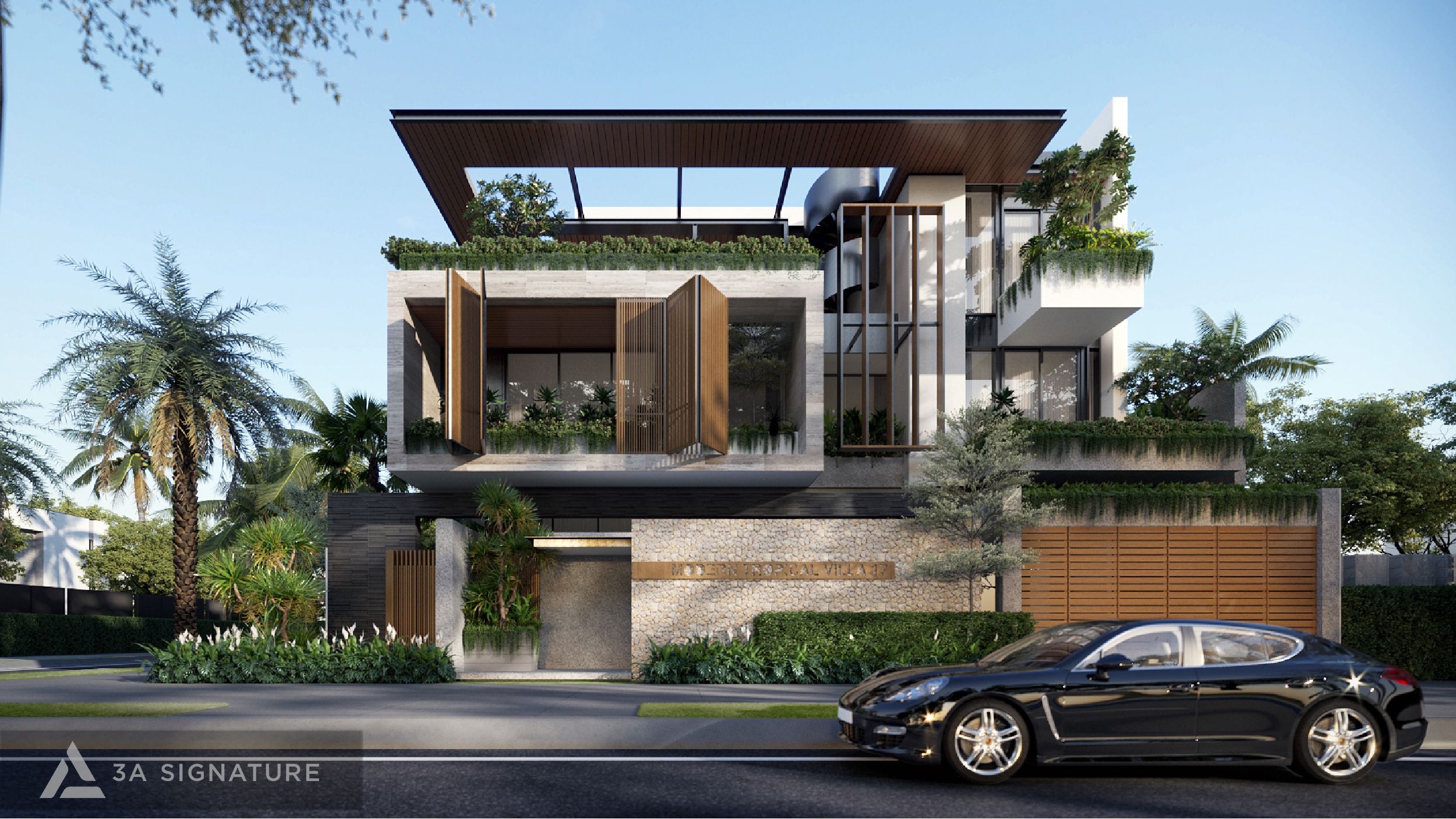
A beautiful building isn’t just about an impressive facade; it needs to provide a comfortable living experience every day. With modern villa design, the true value lies in the ability to create a cooler, sufficiently bright, quieter, and more sustainable space from the very first decisions on the blueprint.
What is Villa Design and Why is Holistic Thinking Necessary?
Today, a villa is no longer simply understood as a large house. At a deeper level, it’s a type of living space organized to serve a high-quality living experience, where architecture, landscaping, interior design, and technology operate as a unified whole.
Therefore, villa design cannot simply stop at creating a beautiful form. A good blueprint needs to answer many questions simultaneously: how the house receives airflow, where the light enters, is the internal circulation fluid, are the materials durable in the local climate, and how is the homeowner’s lifestyle reflected in each functional area?
This holistic approach is what differentiates a building that only looks good in pictures from a truly livable villa. When the blueprints are meticulously studied from the outset, the project will reduce operating costs, minimize future modifications, and create lasting value in both aesthetics and functionality.
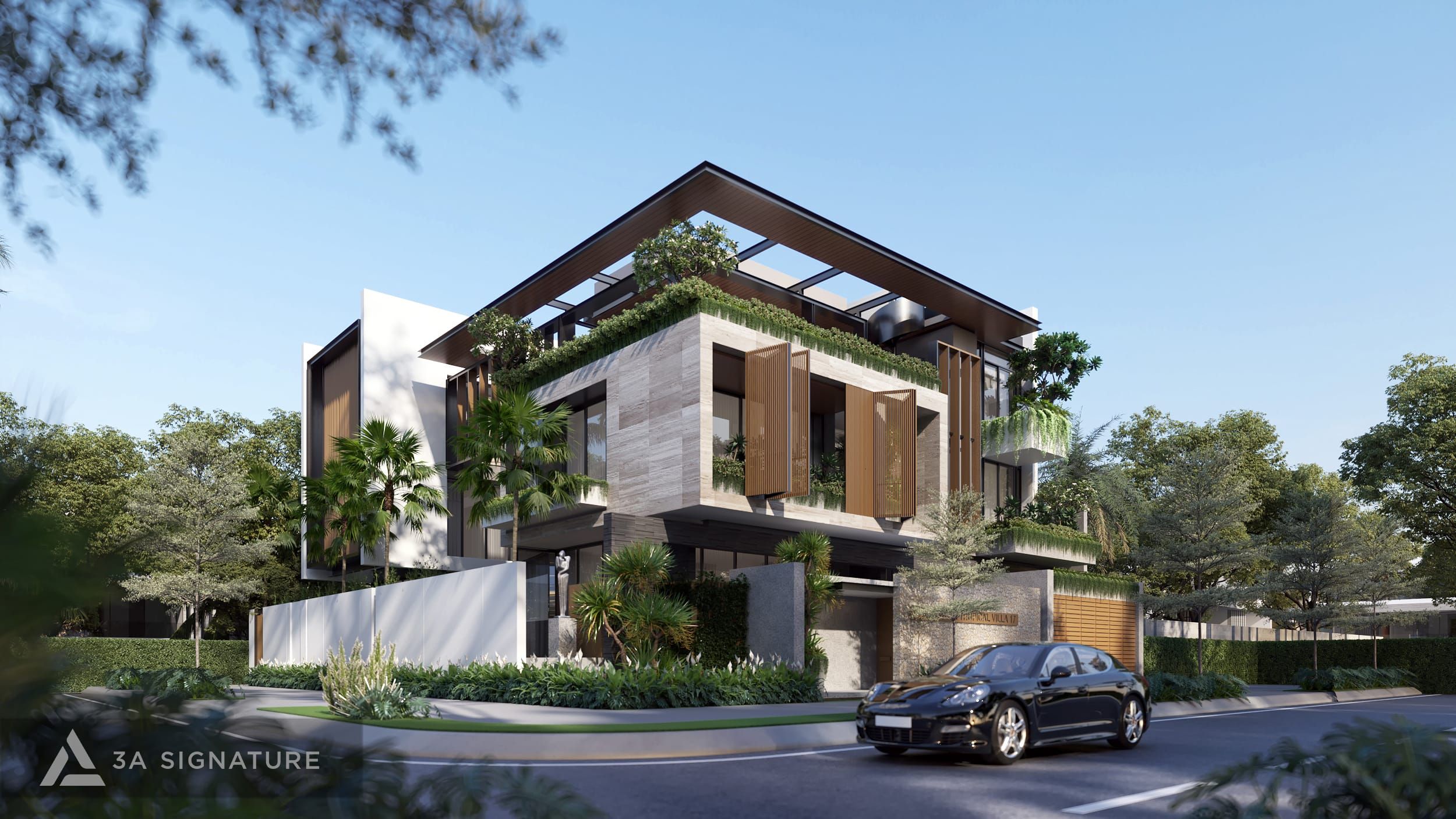
Villa Classification by Size and Usage Needs
In reality, there is no single formula for every villa. Each type requires a unique approach in the villa design process.
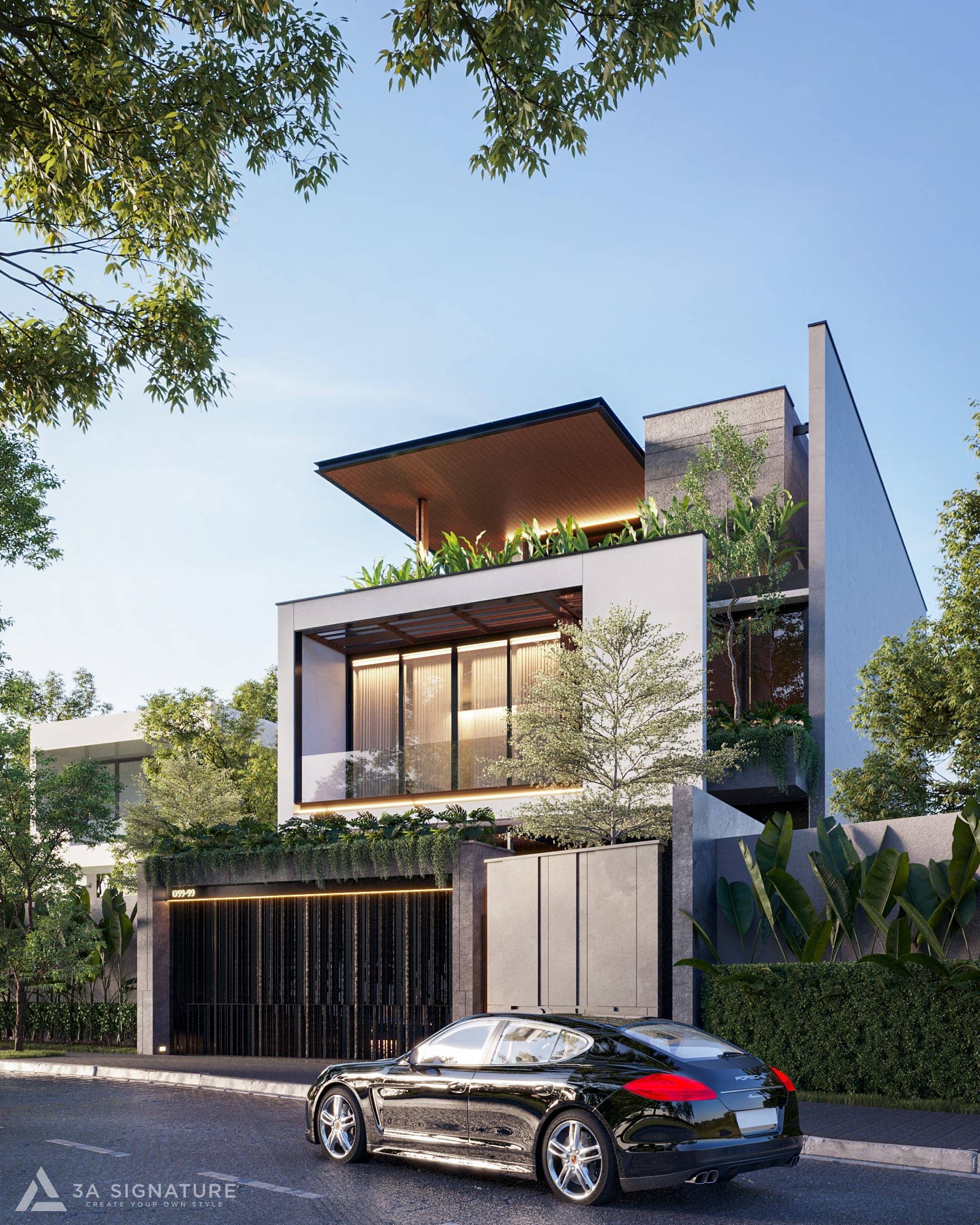
Townhouse Villas
Townhouse villa designs are commonly found in urban areas where land is limited but still demands a neat, modern, and functionally optimized design. With this type, the biggest design challenge is handling the facade, ventilation, and natural light in the context of high building density.
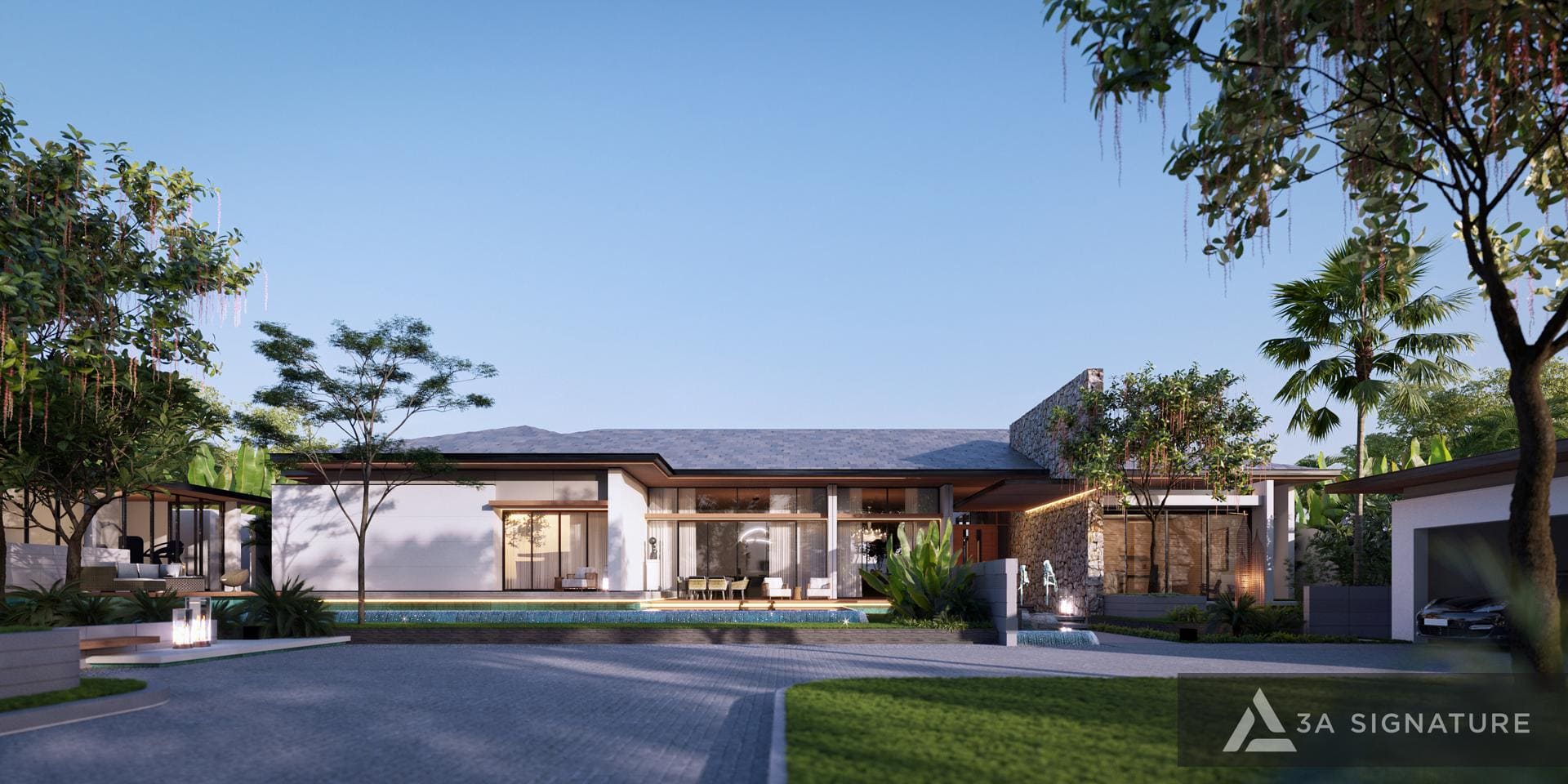
Garden Villa
Garden villa design brings a strong connection with nature. Living space is expanded through porches, courtyards, lakes, lawns and transitional green spaces. This type is especially suitable for homeowners who want to experience a resort right in their own home.
Detached and Semi-Detached Villas
Detached villa designs typically offer advantages in terms of spaciousness, expansive views, and high levels of privacy due to being built completely separately on a private plot of land. Meanwhile, semi-detached villas consist of two houses built side-by-side on the same plot of land, requiring skillful handling of architectural forms, shared walls, and views to ensure both aesthetic appeal and individuality for each family.
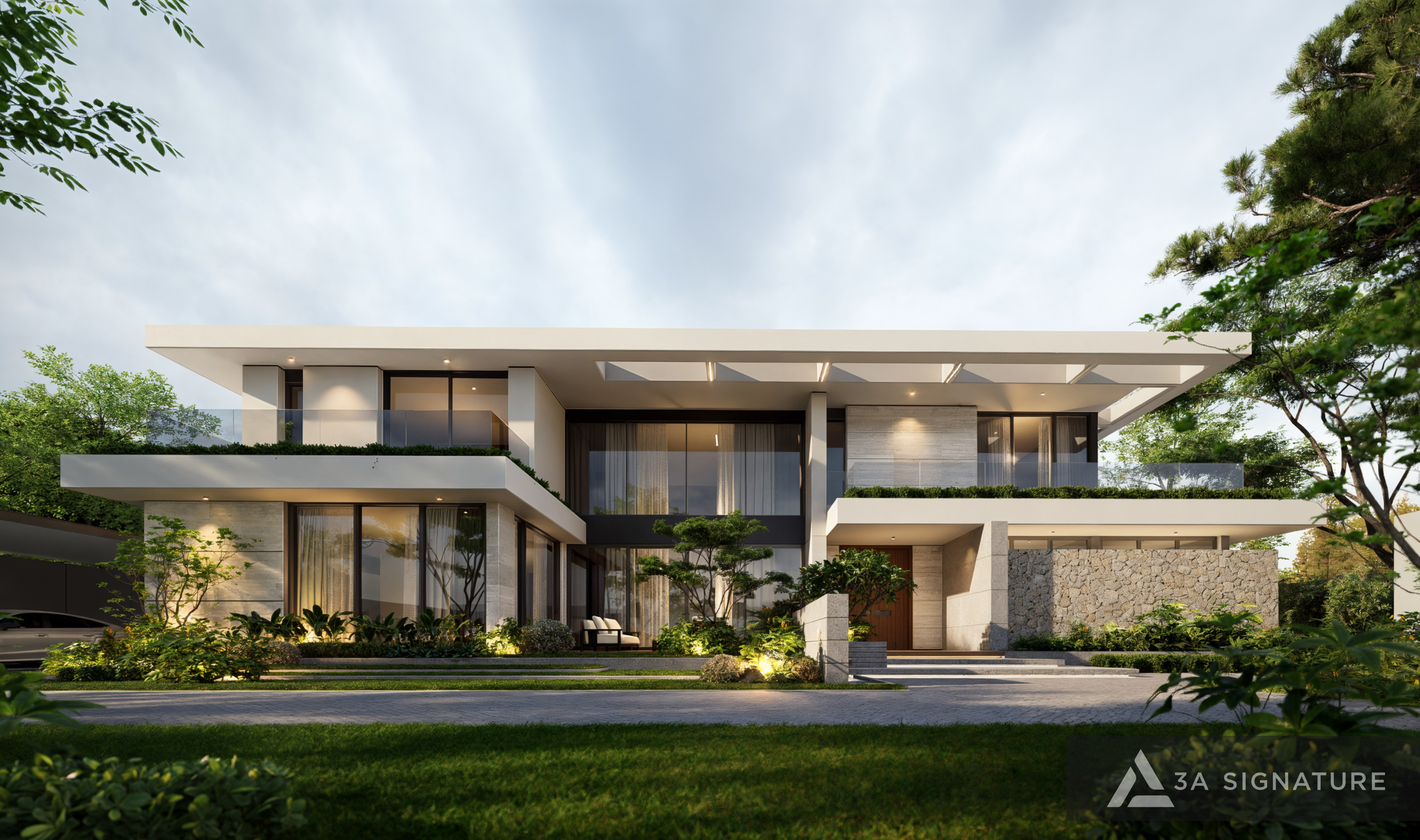
Regardless of the type, the most important thing is to find a solution that suits the plot of land, budget, and actual living habits. A good villa design always starts from real needs, not from copied models.
Villa Design from Microclimate, Form, and Proportion
A comfortable villa must first know how to “dialogue” with its surroundings. This is why microclimate solutions are increasingly becoming the foundation in villa design.
Optimizing Wind, Sunlight, and Temperature from the Start
Each plot of land has its own characteristics regarding sun direction, wind direction, noise, humidity, and views. Instead of fighting against nature by relying entirely on air conditioning or mechanical devices, modern architecture prioritizes organizing the building to take advantage of natural wind, limit direct radiation, and create thermal buffer zones.
Elements such as deep eaves, loggias, sunshades, courtyards, skylights, or reasonable setbacks are not just aesthetic details. They are the tools that help keep buildings cooler, save energy, and create a noticeably more relaxing atmosphere in daily life.
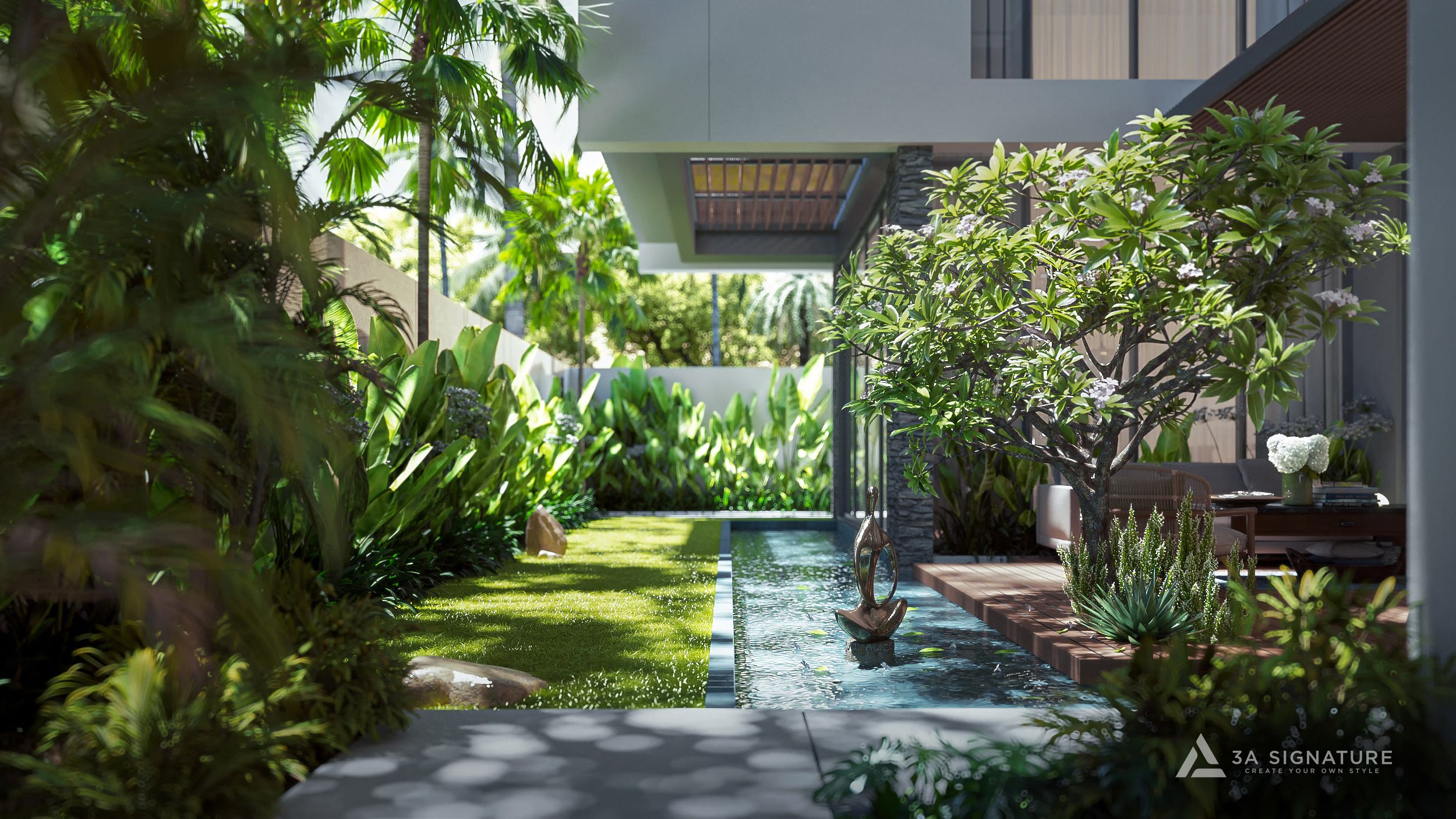
Controlling Form and Spatial Proportions
In villa design, form determines the architectural language, while proportion determines the spatial feeling. A beautiful facade requires a balance between solid and void spaces, between ceiling height, windows, balconies, and roof system. If proportions are not controlled, the building easily feels heavy or ostentatious.
Conversely, when proportions are carefully calculated, the villa will have a very natural elegance. This beauty comes from harmony, not from piling many details on top of each other.
Organizing the Floor Plan for a Coherent and Serene Living Space
A large building may not necessarily provide a comfortable feeling if the traffic flow and functional zoning are not well-planned. Therefore, floor plan organization is one of the most important parts of villa design.
Typically, a villa should be divided into three distinct spatial layers: public areas, semi-private areas, and private areas. This layout allows users to experience a smooth transition in space while maintaining the necessary privacy for each member.
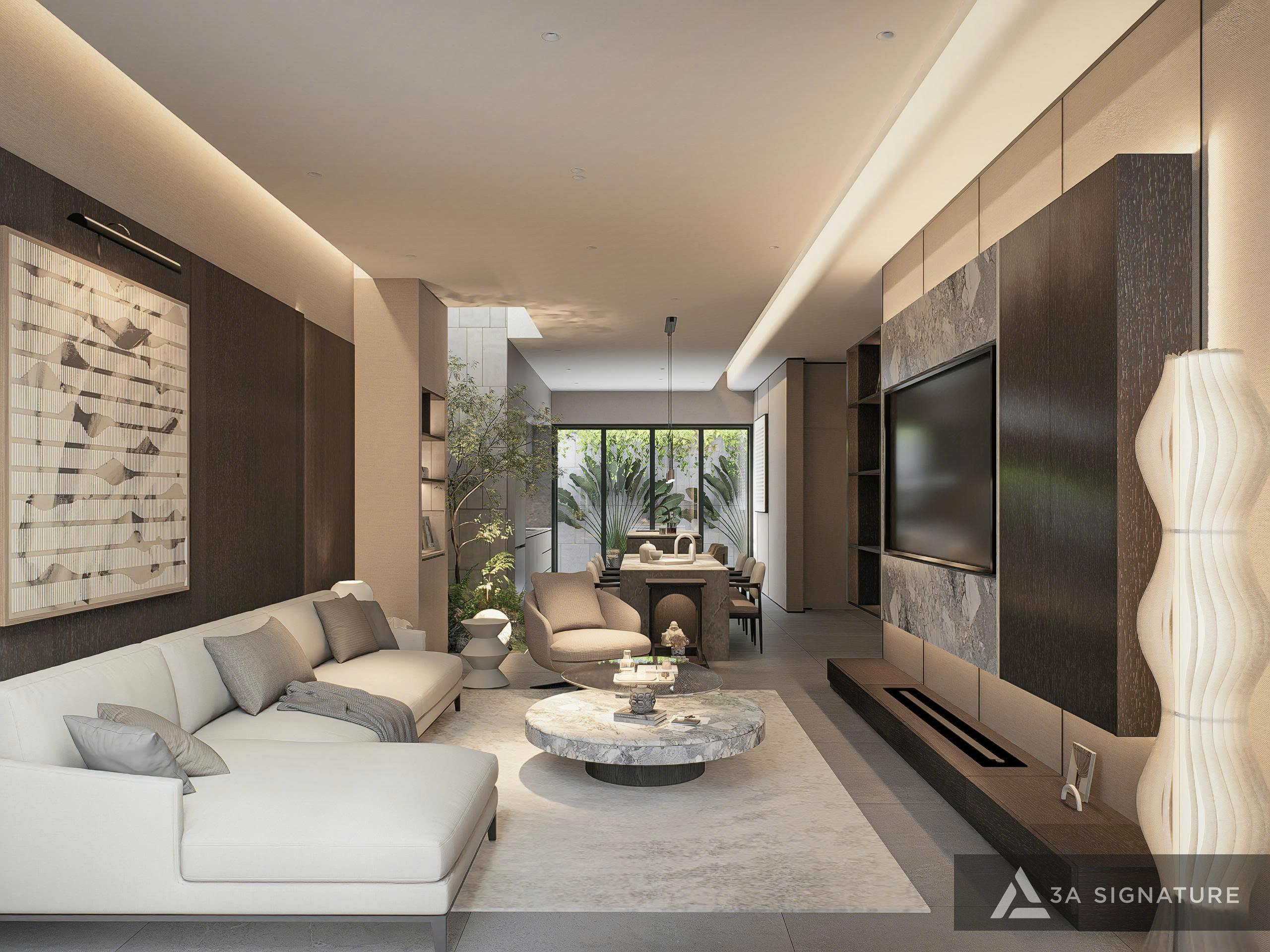
The living room, kitchen, and dining room should be connected in an open enough way to foster interaction, but with subtle boundaries to avoid a sense of overlapping functions. Bedrooms, study rooms, or relaxation rooms should be located in quieter areas, less affected by general traffic flow.
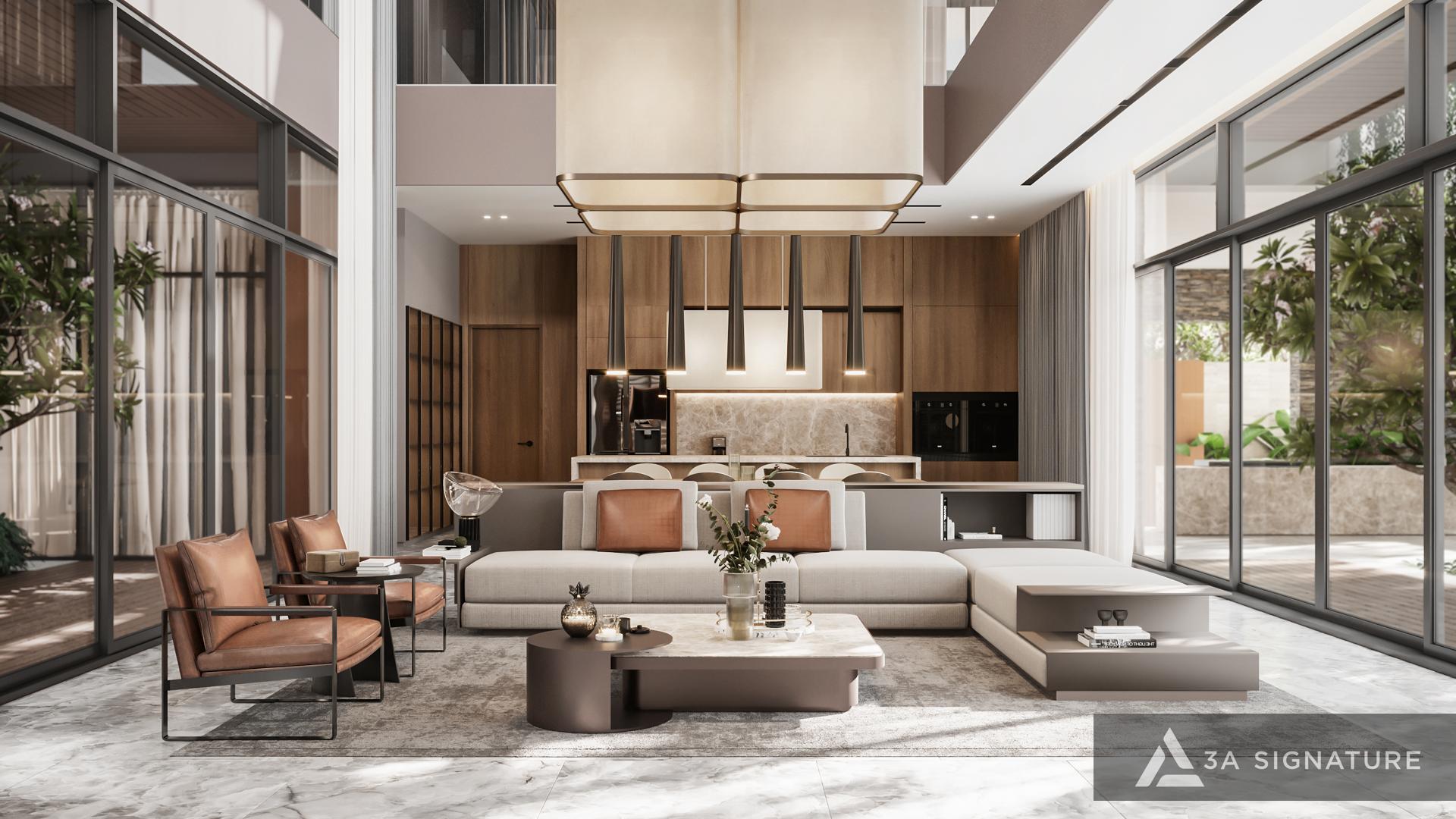
A well-designed villa doesn’t force residents to “learn how to use the house,” but rather allows for natural, effortless, and convenient movement.
Landscape as an Extension of Architecture
In a villa, the landscape isn’t a secondary decorative element, but an integral part of the living experience. It’s where architecture transitions into nature, where light, wind, greenery, and water contribute to shaping emotions.
In villa design, the landscape should be considered from the outset with clear visual axes. The living room should open onto the garden. The bedroom should offer a tranquil green space. From the entrance, one can feel the rhythm of trees, rocks, water, and light.
Greenery not only enhances the beauty of the building but also helps reduce heat, filter dust, increase privacy, and soften architectural elements. When properly planned, the landscape makes the villa more “alive,” not just a building placed on a plot of land.
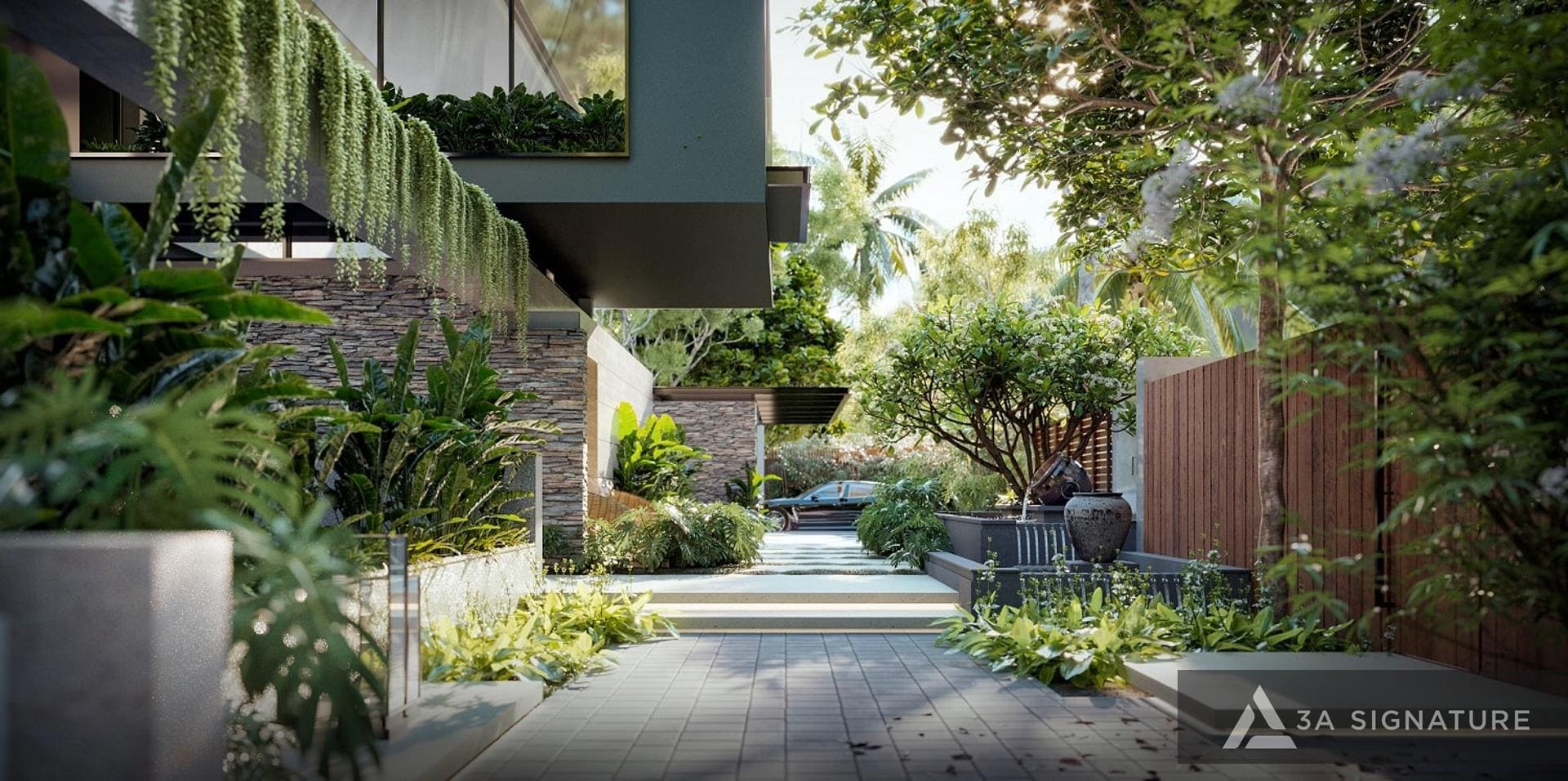
Villa Interiors: Where Lifestyles Take Shape
If architecture is the framework, interior design is the deeper layer of the experience. A beautiful interior space in a villa cannot rely solely on high-end materials; it must stem from ergonomics, user experience, and suitability to the family’s lifestyle.
During the villa design process, the interior needs to be developed in sync with the architecture. When these two parts are separated, the structure easily loses its coherence. Conversely, if they are studied together from the beginning, each piece of furniture will belong in its rightful place, in the correct proportion to the space, and in line with the homeowner’s lifestyle.
Beyond aesthetics, health is increasingly being considered. Low-emission materials, easy-to-maintain surfaces, multi-layered lighting, and appropriate soundproofing solutions all contribute to creating a healthy, comfortable, and sustainable living environment.
Things to Prepare Before Starting Villa Design
- Land Legal Status: Before starting villa design, homeowners need to carefully check the land title, building regulations, density, building height, setbacks, and planning restrictions to avoid problems during the construction permit application process.
- Investment Budget: Clearly define the estimated cost to guide the scale of the project, select appropriate materials and technical solutions.
- Feng Shui Factors: During the villa design process, consider the house orientation, the location of the main entrance, kitchen, bedrooms, and traffic routes to ensure harmony between feng shui, the natural environment, and the homeowner’s lifestyle.
- Usage Needs: Determine the number of family members, their ages, living habits, and special spaces such as a swimming pool, office, entertainment room, garage, or staff living area.
Conclusion
A good villa design not only creates a luxurious appearance but also provides a cool, bright, comfortable, and sustainable living space over time. At 3A Signature, each project is created with a deep understanding of the microclimate, functionality, and the homeowner’s unique preferences to form a sophisticated, harmonious, and high-class living space.