

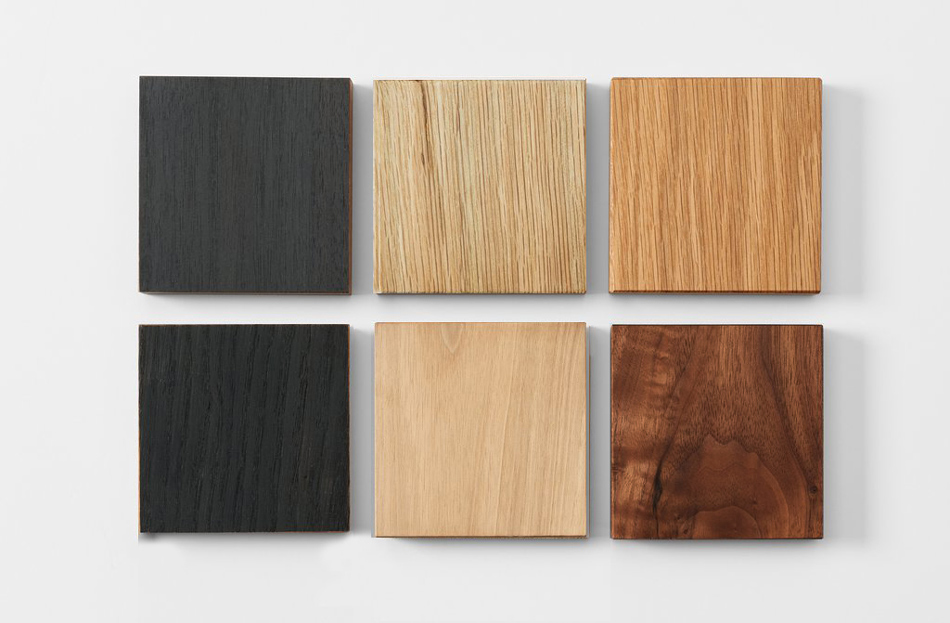
In modern interior design, material selection goes beyond aesthetics and directly impacts user health. Understanding wood quality standards such as E1, E0, and low-VOC materials helps control formaldehyde emissions and improve air quality in living spaces.
The Importance of Wood Quality Standard Control
In modern interior design trends, engineered wood is a dominant material due to its versatility and high aesthetic appeal. However, few people know that boards like MDF, HDF, or plywood often contain a certain amount of toxic formaldehyde gas.
If these materials do not meet international wood quality standards, this gas will be released into the air, causing serious respiratory and neurological problems. That’s why understanding E1, E0, and low-VOC emission materials is a mandatory requirement for a luxurious and safe living space.
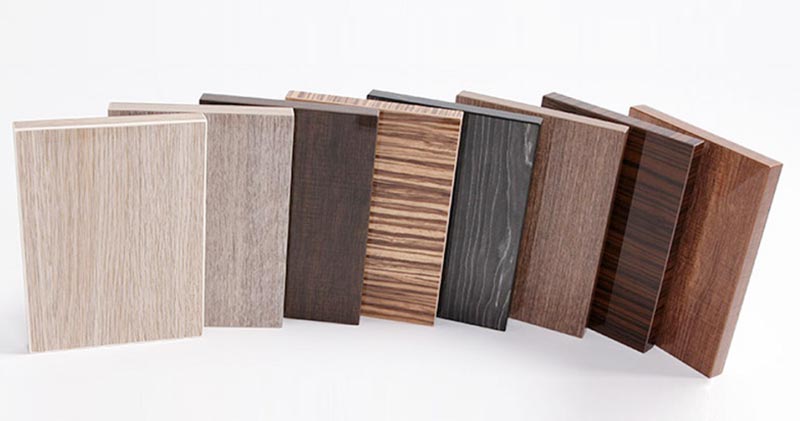
Decoding E1 and E0 Wood Quality Standards
The E0 and E1 standards are essentially regulations used to measure the amount of formaldehyde emitted from engineered wood. Clearly distinguishing between these two indicators will help homeowners accurately assess wood quality standards and make the right decision for their home.
E1 Standard: European Acceptance Level
E1 is a widely accepted formaldehyde emission level according to the European standard system (EN 717-1). This is considered a safe threshold for use in home interiors, ensuring no harm to human health under normal living conditions. Applying the E1 wood quality standard according to the EN 717-1 system helps control the concentration of emissions in engineered wood materials, ensuring peace of mind for users.
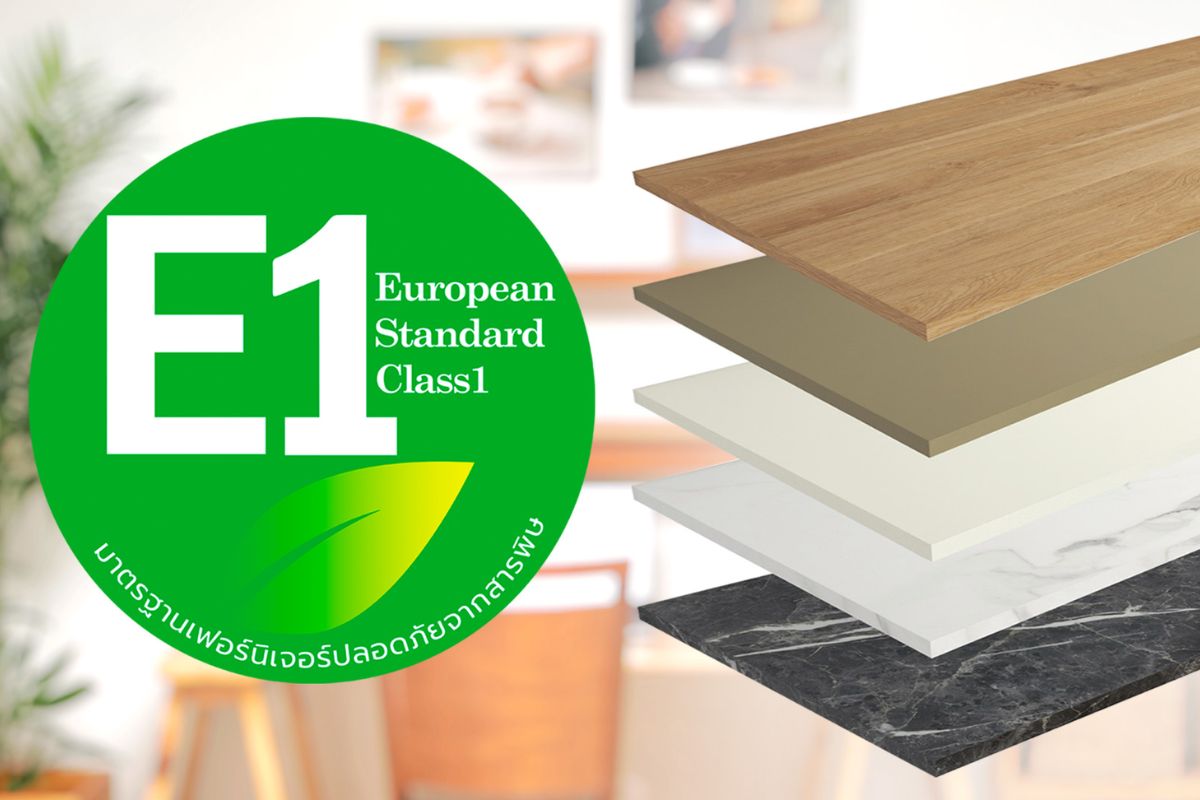
E0 Standard: A Step Forward in Safety
E0 is often the commercial designation for formaldehyde emissions even lower than E1. In some stringent markets like Japan, this designation is equivalent to JIS/JAS F☆☆☆☆ certification – the highest level of environmental and health friendliness. Products meeting E0 or F☆☆☆☆ wood quality standards are the optimal choice for enclosed spaces or families with young children.
What are Low-VOC Materials and Why Should They Be Prioritized?
Besides formaldehyde, VOCs (Volatile Organic Compounds) – volatile organic compounds – are the next “hidden enemy” in interior design. They easily evaporate under normal pressure from paints, adhesives, and inks.
Characteristics of Low-VOC Materials
Low-VOC refers to finishing materials with low emission potential, proven to minimize the amount of toxins released into the indoor environment. Using these materials significantly improves indoor air quality (IAQ), especially in high-end apartments where doors and windows are often kept closed.
Health Benefits
Long-term exposure to high levels of VOCs can cause headaches, dizziness, visual disturbances, and respiratory irritation. In the long term, they can lead to impaired liver and kidney function and increase the risk of cancer. Therefore, controlling VOCs alongside wood quality standards is a comprehensive health protection solution.

How to Choose Safe and Standard Interior Materials
To ensure your home is truly a safe haven, homeowners need to be knowledgeable about reading labels and checking documentation from the contractor.
For Engineered Wood: Prioritize wood panels that meet E1 or E0 quality standards to control formaldehyde emissions. For projects requiring strict US standards, check for TSCA Title VI or CARB Phase 2 certification.
For Paints and Finishes: Prioritize water-based paints, natural waxes, or formaldehyde-free adhesives. Request reputable certifications such as GREENGUARD or GREENGUARD Gold.
Transparency: Request that the contractor provide a Safety Data Sheet (SDS) and Certificate of Origin (COC). This allows homeowners to compare the actual composition and verify that the wood quality standards match the approved material codes in the contract.
Solutions to Limit Toxic Emissions in Living Spaces
Possessing high-quality wood is a necessary condition, but good construction and living habits are sufficient conditions for a completely germ-free living space.
Utilizing Natural Light and Ventilation
Architectural design should prioritize maximizing natural ventilation. Regular air circulation helps to quickly dissipate chemical odors and limit the accumulation of toxic formaldehyde. During the initial handover phase of the interior, ventilation should be enhanced, and air purifiers with activated carbon filters should be maintained.

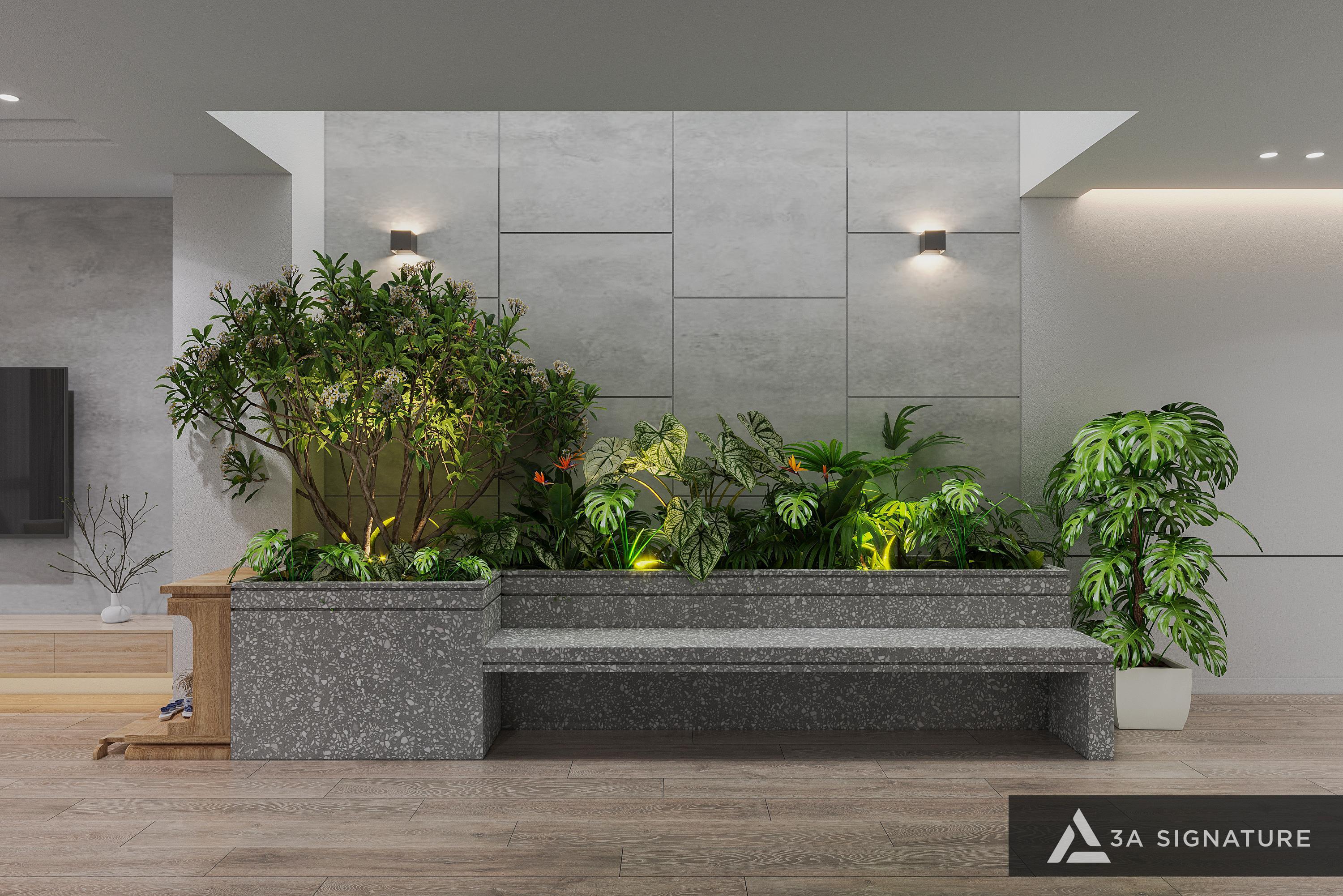
Planting Greenery to Absorb Toxins
According to NASA research, some plants like snake plant and peace lily can remove up to 90% of volatile organic compounds (VOCs). Arranging greenery not only adds aesthetic value to your living room but also acts as an effective “natural air purifier.”
Maintaining a Green Lifestyle
Avoid smoking in living spaces and limit the use of strong-smelling cleaning products. Proper humidity control also helps prevent the rapid release of chemicals from engineered wood.
Choosing a Quality Wood Construction Contractor
Pursuing stringent wood quality standards requires transparency and strict input control from the contractor. Homeowners should seek reputable partners with clear commitments to green building material sources. This not only protects the long-term health of the family but also ensures the lasting value of the project over the years.
Conclusion:
Understanding E1/E0 wood quality standards and low-VOC materials is a crucial step in protecting the health of your family sustainably. Investing in safe materials from the start is a smart choice for a healthy home in the future.
At 3A Signature, the health of homeowners is always prioritized through a rigorous material selection process, ensuring international standards are met and the materials are environmentally friendly.