


In the art of creating luxurious living spaces at 3A Signature, greenery is not just decoration but also the “soul” that regulates the flow of energy. However, not all plants bring good fortune. There are some plants that shouldn’t be placed in the living room because they contain negative or heavy negative energy, inadvertently hindering the flow of positive energy for the homeowner.
1. Snake Plant – A Cold Beauty and Points of “Negative Energy”
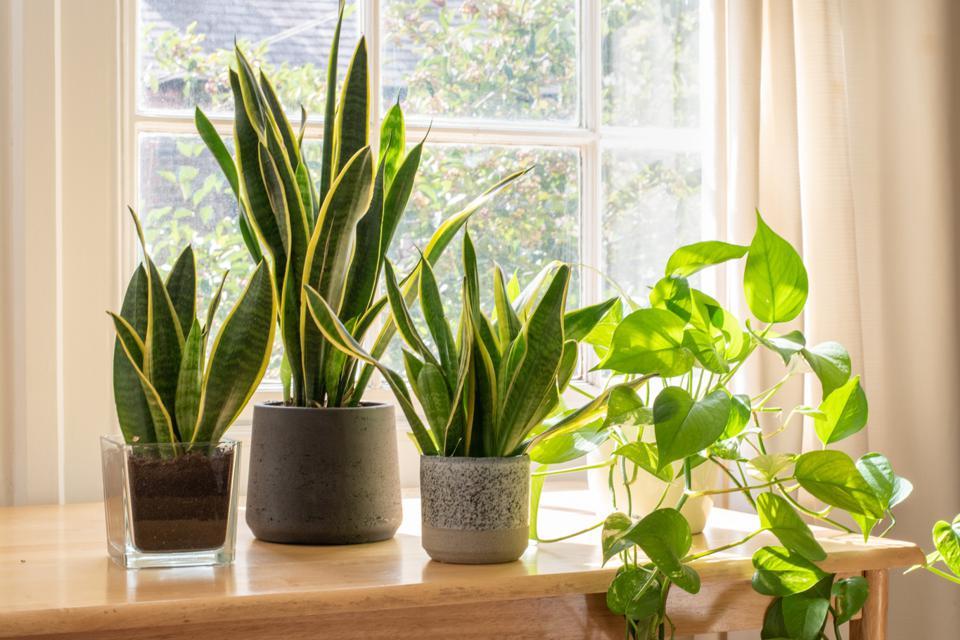
The snake plant is a popular choice in modern designs thanks to its excellent air-purifying ability and vigorous growth. However, among the plants that should not be placed in central positions in the living room, the snake plant often causes much debate in terms of feng shui.
Characteristics of Shape and Invisible Pressure
From the perspective of botanical physiognomy, the leaves of the snake plant are long, pointed, and upright like sharp blades. This shape is considered “aggressive,” easily creating a sense of pressure and underlying tension in shared living spaces. When placed deep in the living room or near the sofa area, the energy from these “blades” can make conversations more heated, causing discord in family relationships.
Arrangement Solutions from 3A Signature
To counteract the negative energy of this plant, instead of placing it in the main interior space, you should move the Snake Plant to the entrance or balcony. There, it will act as a “guardian,” blocking bad energy from entering the house instead of disrupting the flow of energy inside.
2. Banyan and Ficus Bonsai – Concerns About the Accumulation of “Negative Energy”
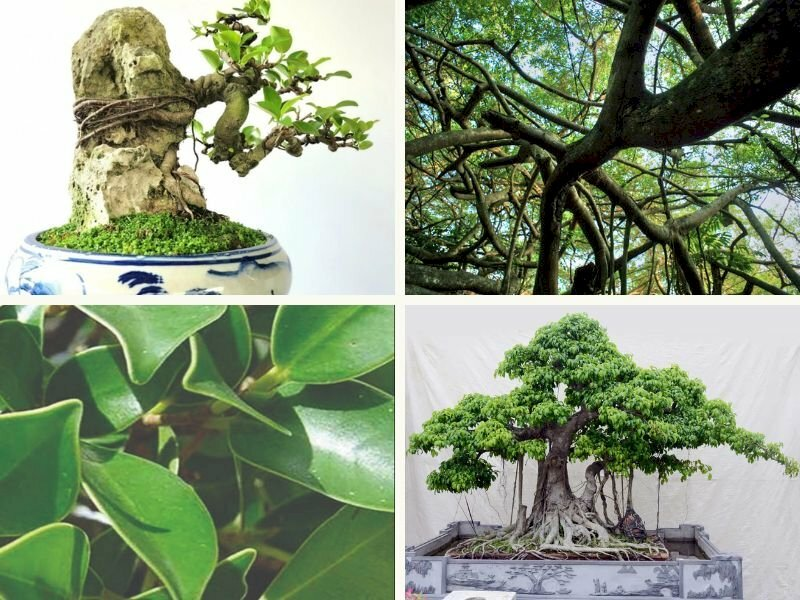
Many homeowners love the antique and artistic charm of miniature banyan or fig bonsai. However, according to traditional feng shui beliefs, these plants should not be placed in the living room due to their special spiritual nature.
Connection with Temples and Shrines
In Vietnamese culture, banyan and fig trees are often associated with sacred spaces such as temples and shrines. Their tangled roots and dense foliage are believed to be places where “negative energy” easily accumulates. When these plants are placed in the enclosed, dimly lit space of a villa’s living room, they inadvertently create a heavy, gloomy atmosphere.
Impact on the Homeowner’s Fortune
Living in a space shrouded in negative energy from plants for a long time will make the homeowner feel tired, lacking energy and decisiveness. This directly negatively affects work performance and financial prosperity. If you still want to own these bonsai masterpieces, 3A Signature advises you to place them on the porch, rooftop, or in an airy garden area to balance the yin and yang energies.
3. Climbing Plants – Their Softness Disrupts the Flow of Energy
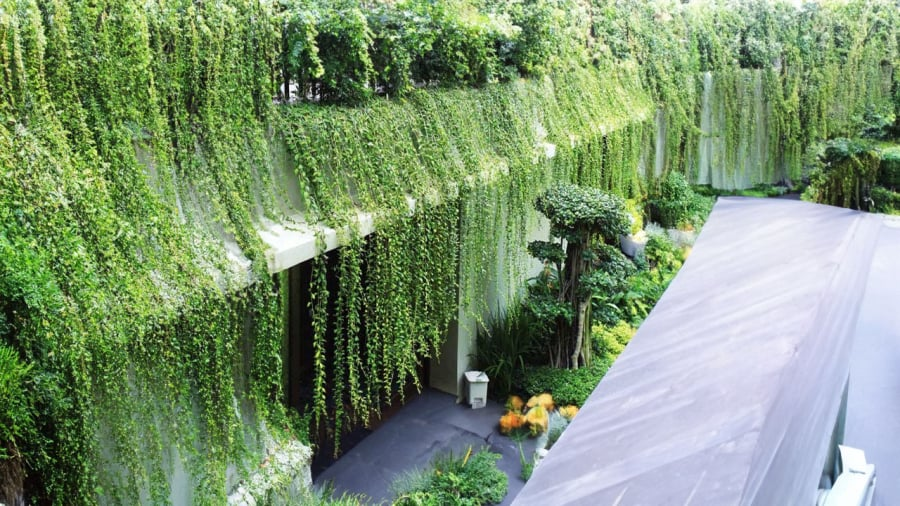
Epipremnum and Pothos often bring a soft, lush green feel to decorative walls. However, if not properly controlled, they are unsuitable for living rooms due to their free-growing, unrestricted spread.
The “Yin” Nature of Drooping Plants
According to feng shui principles, plants that tend to droop or climb walls have a very high “Yin” energy. Allowing climbing plants to cover ceilings or large wall sections will hinder the flow of positive energy. When energy enters the house and encounters this “network” of vines, it becomes chaotic and disrupted, making it difficult for wealth to accumulate and easily dispersed.
Scientific Control and Pruning
If the homeowner still desires a touch of soft green, the solution is to plant them only in small, hanging pots and prune them regularly to maintain a neat appearance. Absolutely avoid letting climbing plants completely cover the interior architectural surfaces of the living room, ensuring the smooth flow of positive energy in the house.
The Art of Choosing Green Plants to “Maintain Good Fortune” for the Villa
After identifying plants that shouldn’t be placed in the living room, homeowners need to redefine their green aesthetic with plants that carry positive energy. At 3A Signature, we always prioritize plants that meet the following criteria:
Prioritize Round Leaves and Bright Green
Plants with round leaves (symbolizing completeness) and bright green colors always provide a pleasant psychological feeling. A bright space with lush greenery will positively impact morale, thereby helping the homeowner work efficiently and attract good fortune.
Upward-Climbing Plant Style
Choose plants with an upright, tall growth style, symbolizing continuous growth and upward progress. Some typical choices suitable for Vietnamese spaces include:
- Money Tree (Pachira aquatica): Symbolizes wealth and prosperity.
- Lucky Money Tree (Pachira aquatica): Brings good fortune and success.
- Dwarf Palm (Areca catechu): Purifies the air and brings peace.
Harmony Between Feng Shui and Spatial Psychology
Although beliefs about which plants to place in the living room are primarily based on folklore and feng shui, from a scientific perspective, they are closely linked to spatial psychology.
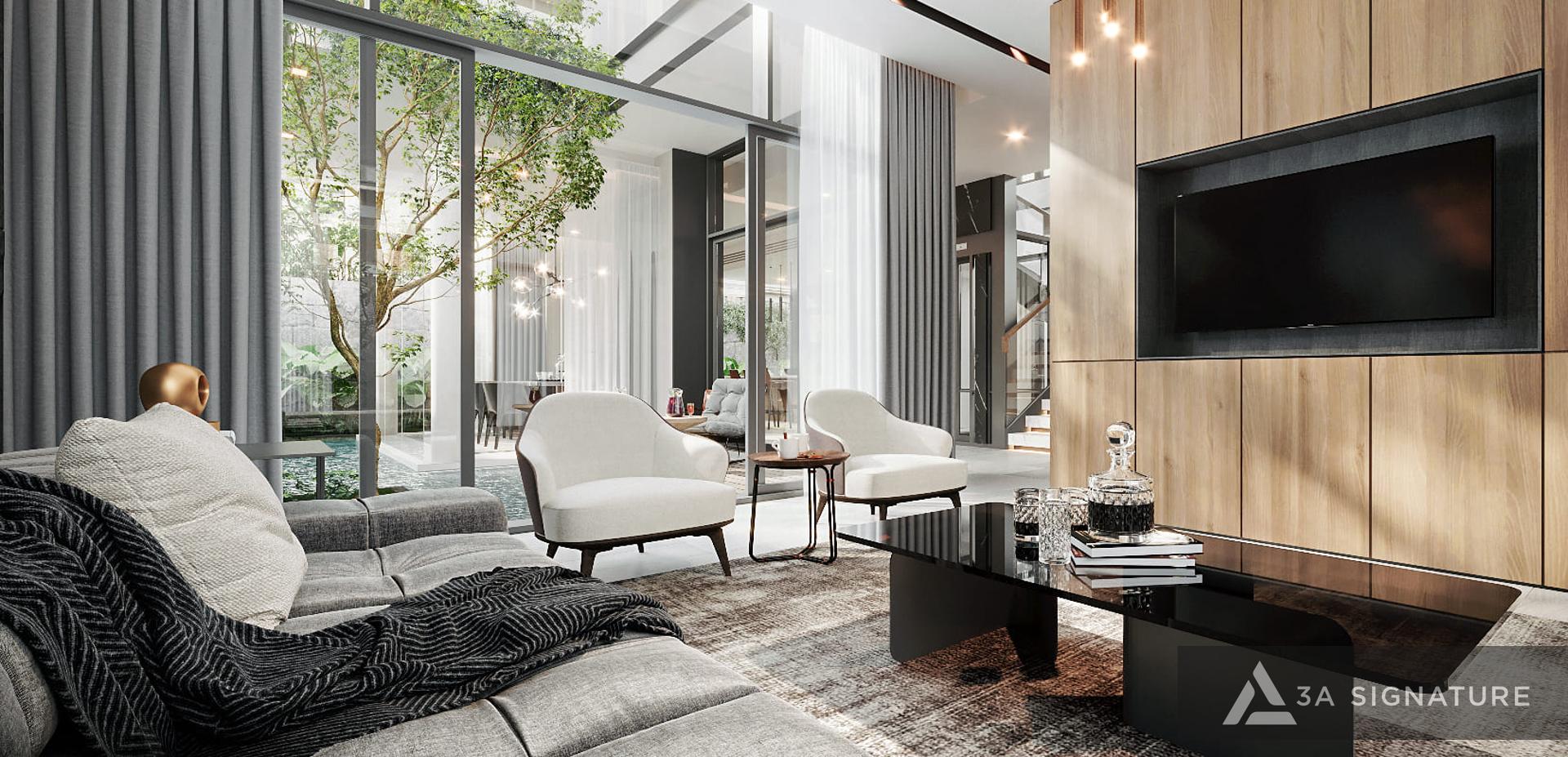
A room that is too overgrown, thorny, or has a dark feel from plants with negative energy will inadvertently create unease for its occupants. Conversely, a living room with appropriately arranged, airy greenery will create a sense of relaxation, stimulate creativity, and promote happiness. That is the ultimate goal of identity architecture: to create a harmonious living environment where people and nature resonate together to create the most prosperous living values.t.
Conclusion
Arranging greenery in a villa is a delicate balance between aesthetics and feng shui. Understanding which plants should not be placed in the living room helps homeowners avoid unnecessary mistakes and protect the flow of positive energy for the family.
At 3A Signature, we not only design sustainable structures but also partner with you in arranging every detail of the interior and landscaping to create a living space that reflects your identity and is filled with positive energy.