

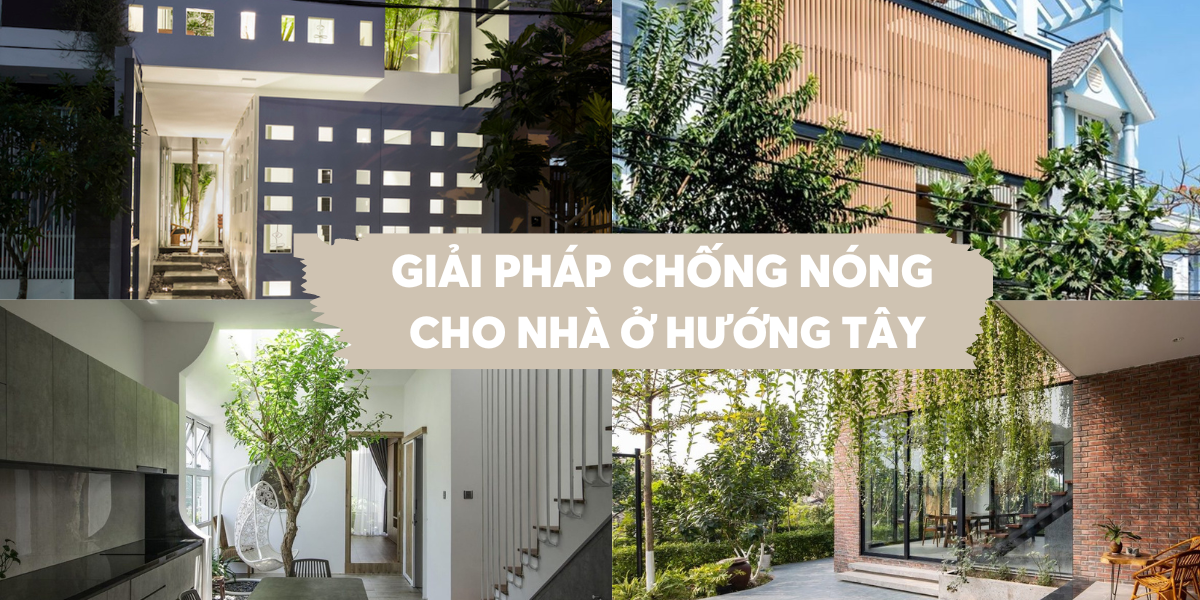
West-facing houses always face the “challenge” of extreme temperatures due to direct afternoon solar radiation. At 3A Signature, we view this not just as a technical issue but also as a matter of architectural artistry and identity. Applying comprehensive heat protection solutions for west-facing houses from design to construction not only helps maintain coolness and comfort but also enhances the refined aesthetics and optimizes energy costs for homeowners.
Why Are West-Facing Houses Hot and What Are the Impacts on Quality of Life?
Before finding the answer, it’s necessary to understand the “nature” of the heat from west-facing houses. Unlike east-facing houses which receive gentle early morning sunlight, west-facing houses receive the most intense solar radiation from approximately 1 PM to 5 PM.
Solar Radiation and Low Angle of Incidence
In the afternoon, the sun is at a low angle of incidence, causing its rays to penetrate deeply into the interior space. This heat not only warms the air but also accumulates on material surfaces such as concrete walls, roofs, and wooden floors.
Consequences of Heat Accumulation
The phenomenon of “delayed heat dissipation” means the house remains stuffy even after sunset. This directly affects health (causing fatigue, heatstroke), reduces the lifespan of high-end furniture, and especially increases the budget for air conditioning systems. Therefore, finding solutions to combat heat in west-facing houses is a top priority in modern villa architecture.
Proactive Heat Protection Solutions for West-Facing Houses from Architectural Design
At 3A Signature, we prioritize fundamental solutions right from the design stage to achieve the most sustainable heat insulation results.
1. Smart Sun-Shading System Design
Creating “protective shields” for the facade is the optimal solution:
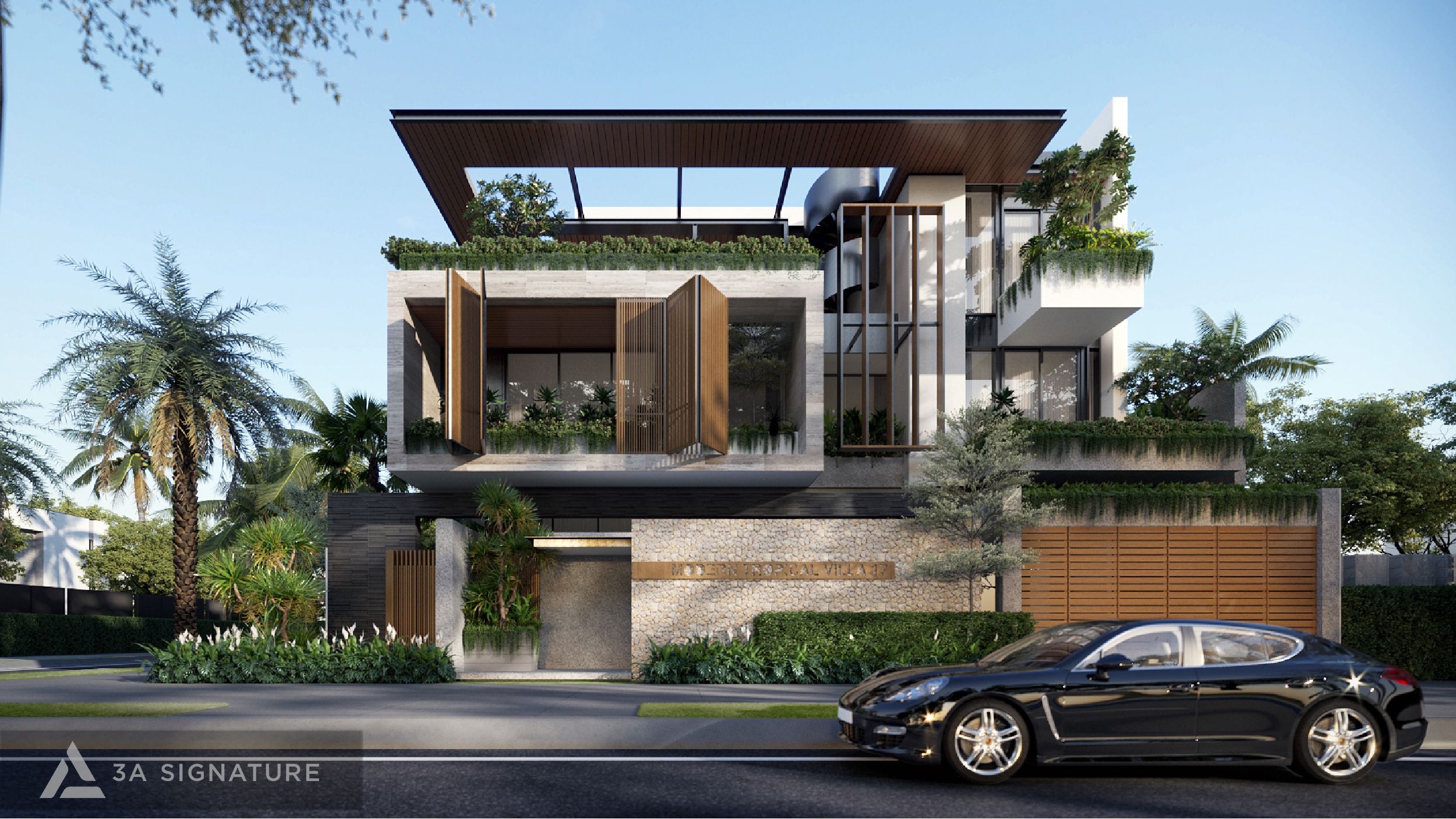
- Louvers: Using aluminum, wood, or concrete louvers to block direct radiation while still allowing natural airflow.
- Recessed loggias and balconies: Instead of being built flush with the ground, pushing the living space inward creates natural shadows, preventing the western sun from hitting the windows of the living room or bedroom.
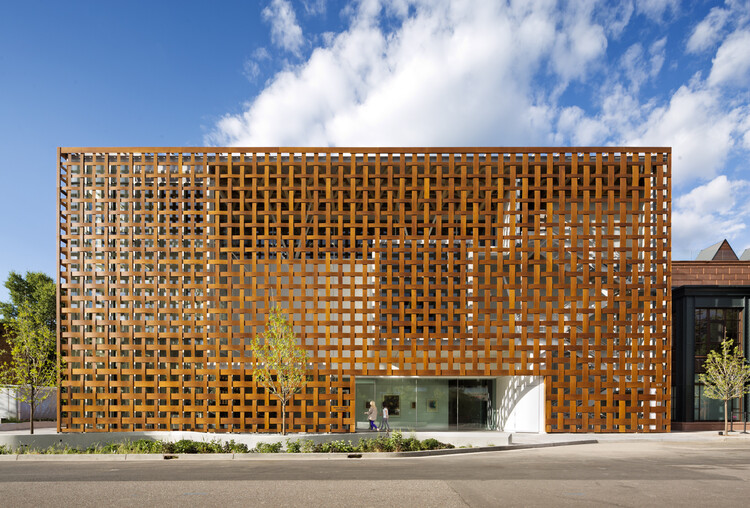
2. Double Skin Facade – The Perfect Thermal Insulation Layer
Constructing double-layered walls with a gap in between is an extremely effective heat insulation solution for west-facing houses. This gap acts as an air cushion, preventing direct heat transfer from the outer layer to the interior living space.
3. Floor Plan and Thermal Buffer Zone
We often advise clients to position auxiliary spaces such as staircases, restrooms, storage rooms, or hallways on the west side. These areas act as “buffer zones,” absorbing heat instead of the main spaces like the master bedroom or living room.
Choosing High-Quality Insulation Materials for West-Facing Houses
Materials play a crucial role in preventing heat from entering the building.
1. Using Insulating Bricks and Lightweight Concrete
Instead of traditional red bricks, the application of AAC (autoclaved aerated concrete) bricks with their tiny air pores minimizes the thermal conductivity. This is a popular heat insulation solution for west-facing houses in modern green buildings.
2. Low-E Insulating Glass and Double-glazed Glass Solutions
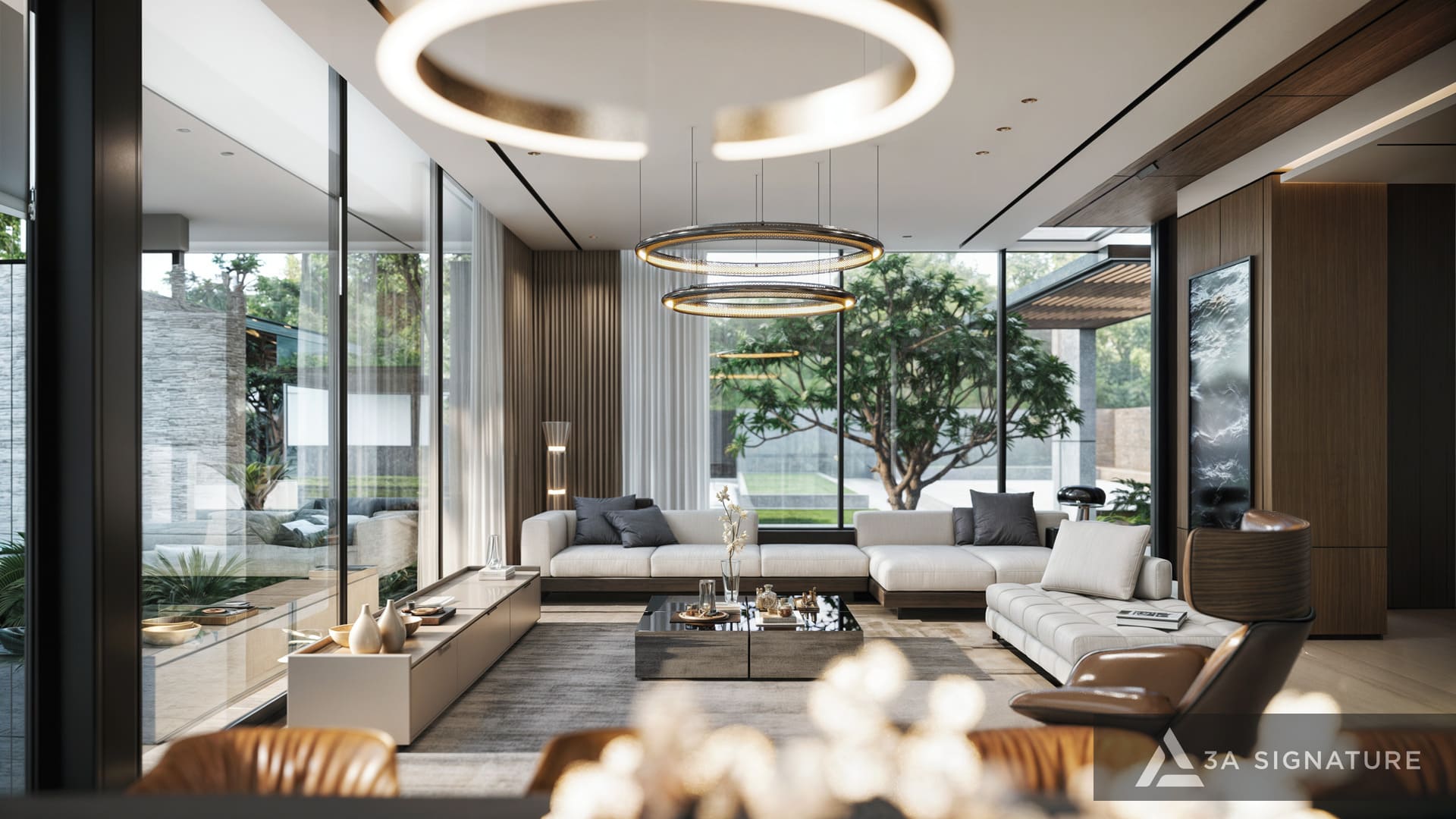
West-facing windows are the biggest weakness. 3A Signature prioritizes the use of Low-E glass with an infrared-reflective coating or double-glazing with an inert gas layer in between, which helps block heat while still ensuring natural light enters the home.
3. Roof and Ceiling Insulation
The roof is the area that receives the most direct sunlight. Combining a sloping roof to create air convection under the roof, along with insulating air pockets or fiberglass wool installed in the drywall ceiling, will significantly reduce the temperature in the attic.
Passive Heat Control and Microclimate Regulation Solutions
Besides hard engineering factors, utilizing nature and decoration also brings amazing results in combating heat for west-facing houses.
1. Greenery – Natural “Air Conditioners”
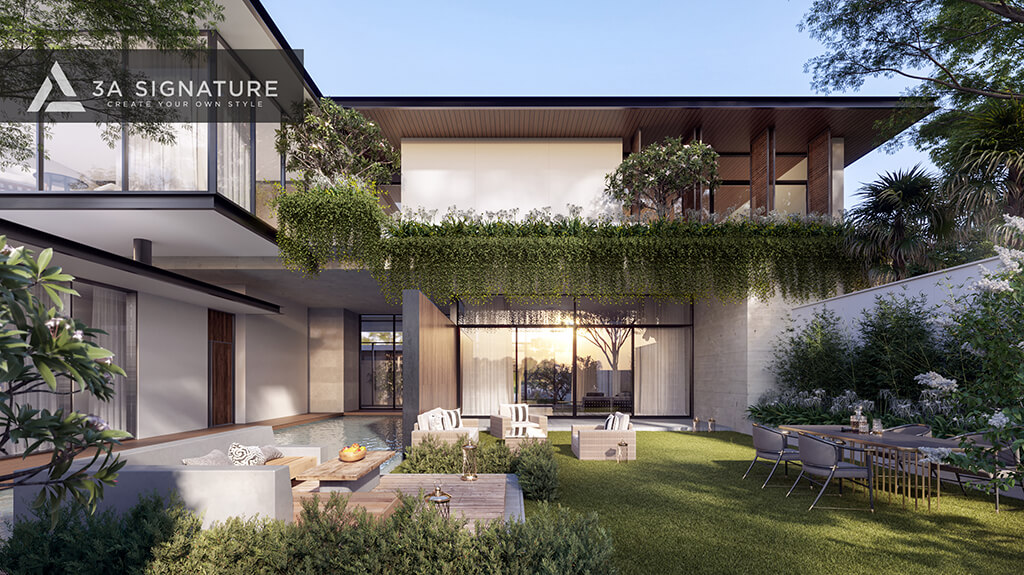
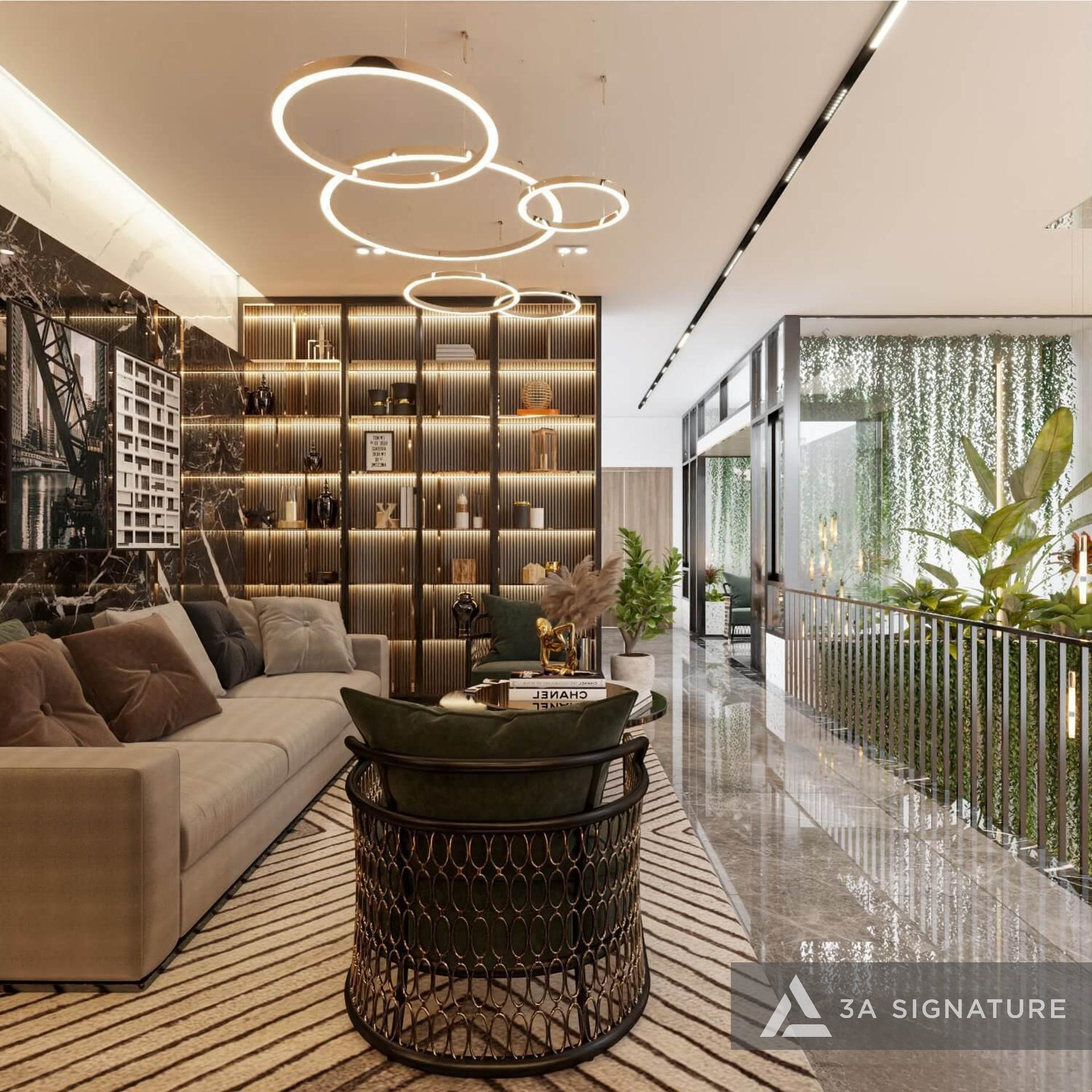
Planting climbing plants like Indian Chrysanthemum, Bougainvillea, or designing vertical gardens is a very subtle way to combat heat for west-facing houses. The green foliage not only provides shade but also releases water vapor, cooling the air around the west-facing walls.
2. Specialized Curtains and Blinds
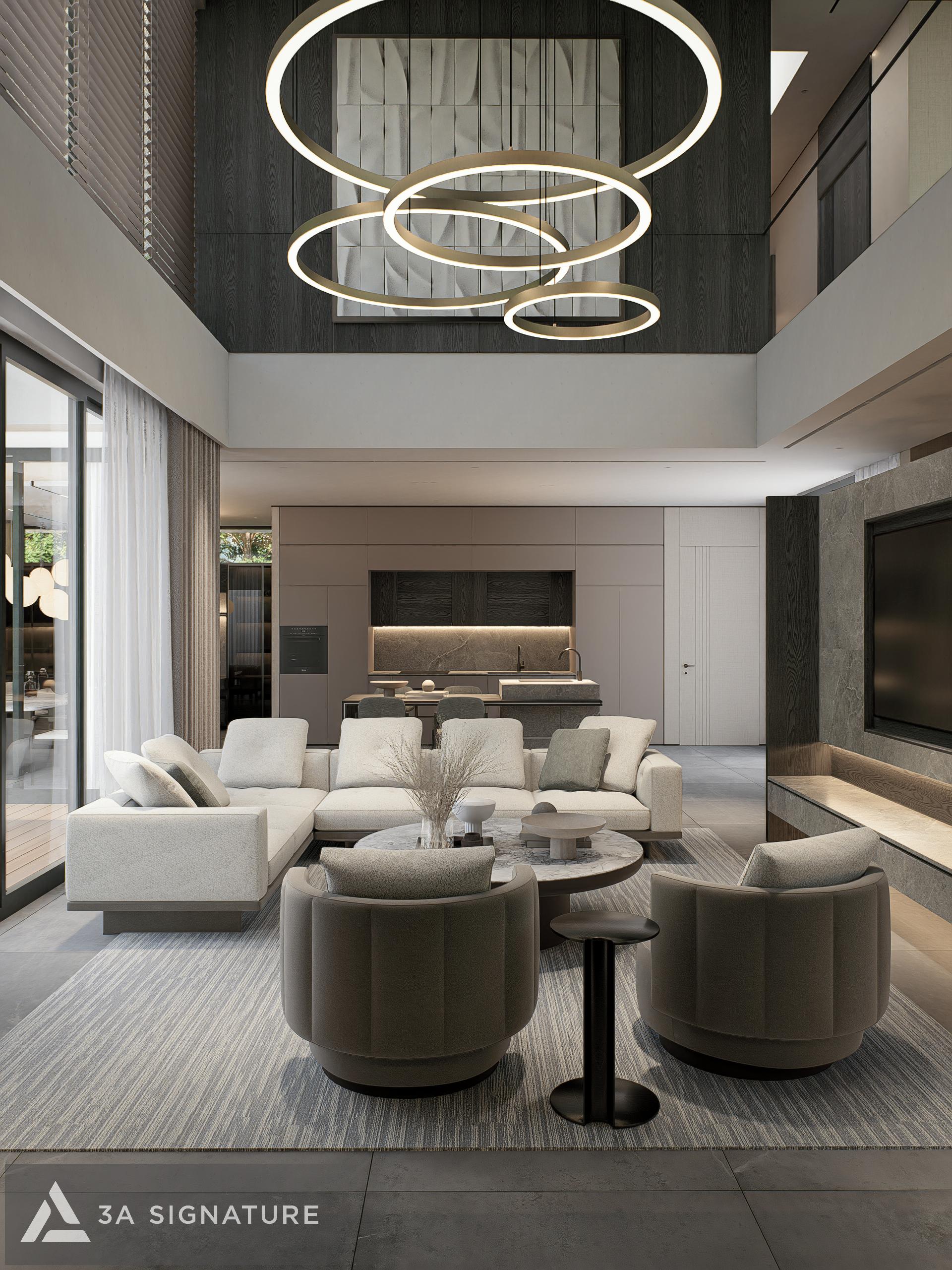
Using blackout curtains (100% light blocking) or double-layered curtains in light tones helps reflect heat better. Artistic bamboo blinds are also a suitable choice for homeowners who love Indochine or tropical styles, providing both sun protection and ventilation.
Blackout curtains and bamboo blinds are an effective heat-blocking solution for west-facing homes, reducing interior heat and enhancing the aesthetics of the living room.
3. Heat-Reflecting Exterior Paint Colors
Light paint colors such as white, cream, or light blue have a high light reflectivity (LRV), helping to keep walls from overheating compared to darker shades.
Enhancing Convection Ventilation – Pushing Hot Air Out
A common mistake homeowners make is trying to seal off west-facing houses. In reality, air needs to circulate to prevent overheating.
- Skylights: Create a chimney effect, drawing hot air from the lower floors and expelling it through the roof.
- Cross-ventilation windows: Design at least two windows on opposite sides of a room to create cross-ventilation.
Conclusion
Creating a cool West-facing house is not difficult if we have scientific calculations right from the idea stage. The combination of smart architectural design, modern materials and green ecosystem will turn the disadvantage of harsh sunlight into a living space full of light but still extremely pleasant.
At 3A Signature, we believe that each project is a unique masterpiece, where the homeowner’s comfort is always top priority. With extensive experience in handling projects with difficult terrain and sun direction, 3A Signature is committed to providing the most comprehensive heat protection solutions for West-facing houses, helping you fully enjoy the value of sophisticated and prosperous living.