

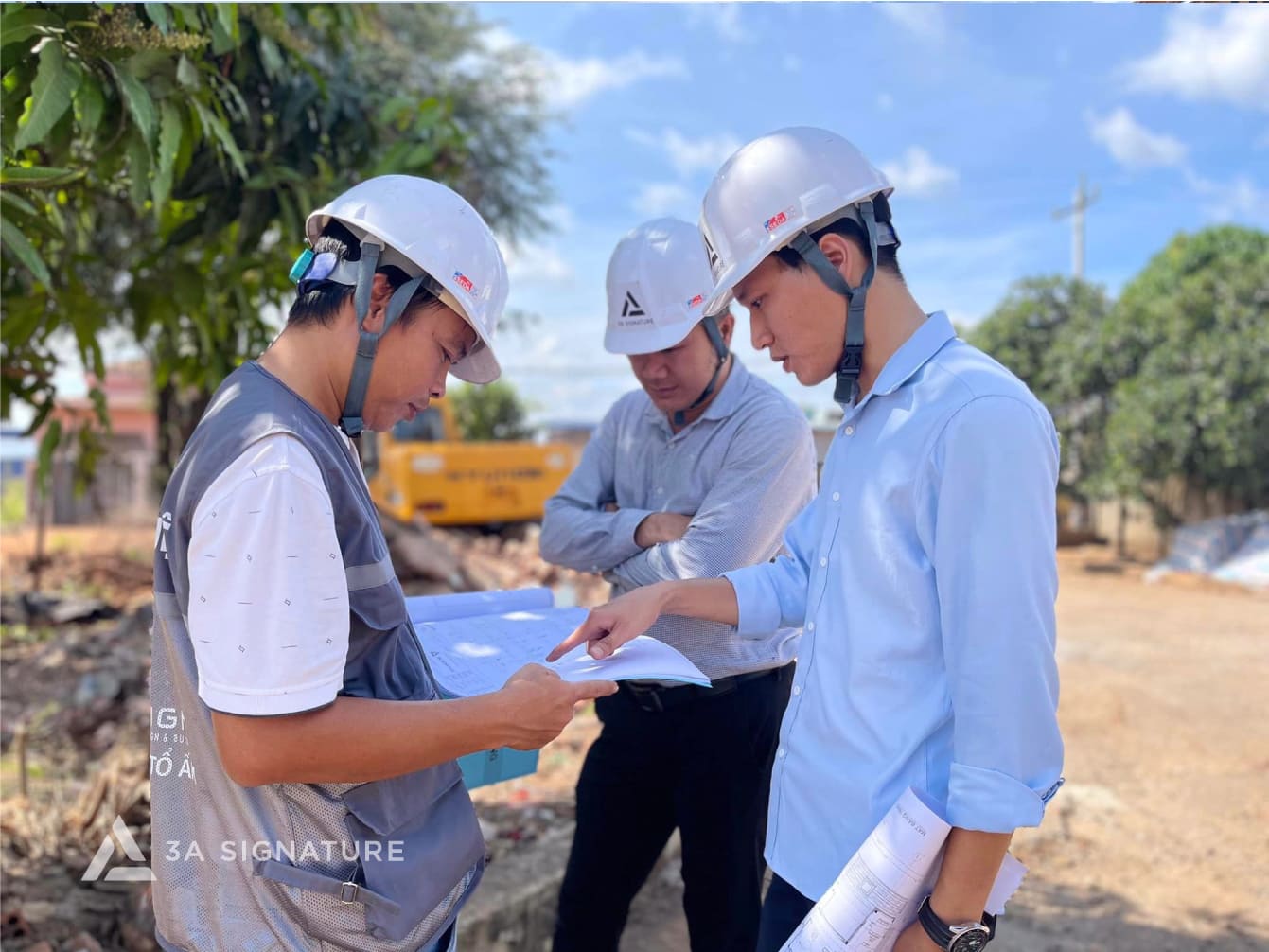
During the construction of houses or villas, acceptance testing is the final step but is crucial to the quality, safety, and long-term usability of the project. Many homeowners focus only on design and construction, neglecting acceptance testing – leading to technical and legal risks and costly repairs later on. At 3A Signature, acceptance testing is not simply a handover procedure, but a rigorous quality control process ensuring the completed project adheres to the design, standards, and is worthy of the homeowner’s investment.
What is Acceptance Testing in Construction?
Simply put, acceptance testing is the process of inspecting, evaluating, and confirming the quality of a construction project after completion, before it is put into use or handed over. This step involves comparing the actual construction with the villa design documents, technical standards, and relevant regulations.
From a professional perspective, acceptance testing helps answer three important questions:
- Has the construction been carried out according to the design?
- Does the quality meet technical standards?
- Is the structure safe for use?
Only when the acceptance testing process meets the requirements can the project be considered truly completed.

Common Concepts Related to Acceptance Testing
What is a Quality Inspection Report?
A quality inspection report is a document that records the entire process of inspecting and evaluating the quality of construction at a specific point in time. This report clearly shows the items that have been inspected, whether the results are satisfactory or not, as well as any required repairs (if any).
In practice, a quality inspection report is not just a formality, but an important basis for protecting the rights of the homeowner and related parties.
What is a Completion Inspection?
A completion inspection is the process of summarizing and evaluating the quality of the entire construction project before it is put into use. If the project meets the requirements, it will be approved for handover. If it does not meet the requirements, the contractor is required to rectify and repair according to the technical requirements before re-evaluation.
In addition, in construction practice, there is also internal inspection – that is, the review process between departments or contractors before inviting the investor to participate in the official evaluation.
What is Contract Performance Evaluation?
Contract performance evaluation is the comparison of the construction process with the signed terms, including: work volume, quality, progress, responsibilities and rights of the parties. This is the basis for settlement, contract termination and handling of arising issues (if any).
What is Phased Quality Control?
A construction project is usually divided into many phases such as foundation, structure, and finishing. Phased quality control helps evaluate each part of the work before moving to the next step, avoiding chain errors that cause costly repairs later.
See also: Detailed cost breakdown for turnkey villa construction in 2025
Why is Acceptance Testing So Important?
Ensuring Construction Quality and Safety
This is the final technical barrier to assessing the safety, load-bearing capacity, and durability of a construction project. Failure to detect errors promptly can directly affect the structure and long-term usability.
Early Detection of Errors for Timely Correction
Through the inspection process, construction errors, substandard materials, or deviations from the design will be recorded and corrections requested. This helps homeowners avoid significant repair costs after the project is completed and put into use.
As a Legal and Financial Basis
The quality inspection report serves as the basis for handover, payment, and resolution of related legal issues. A project that is not inspected and certified according to proper procedures may face difficulties during the completion process or lead to disputes later on.
Construction quality control helps monitor the construction process, ensure structural safety, detect errors early, and provides a legal basis for handover and payment.
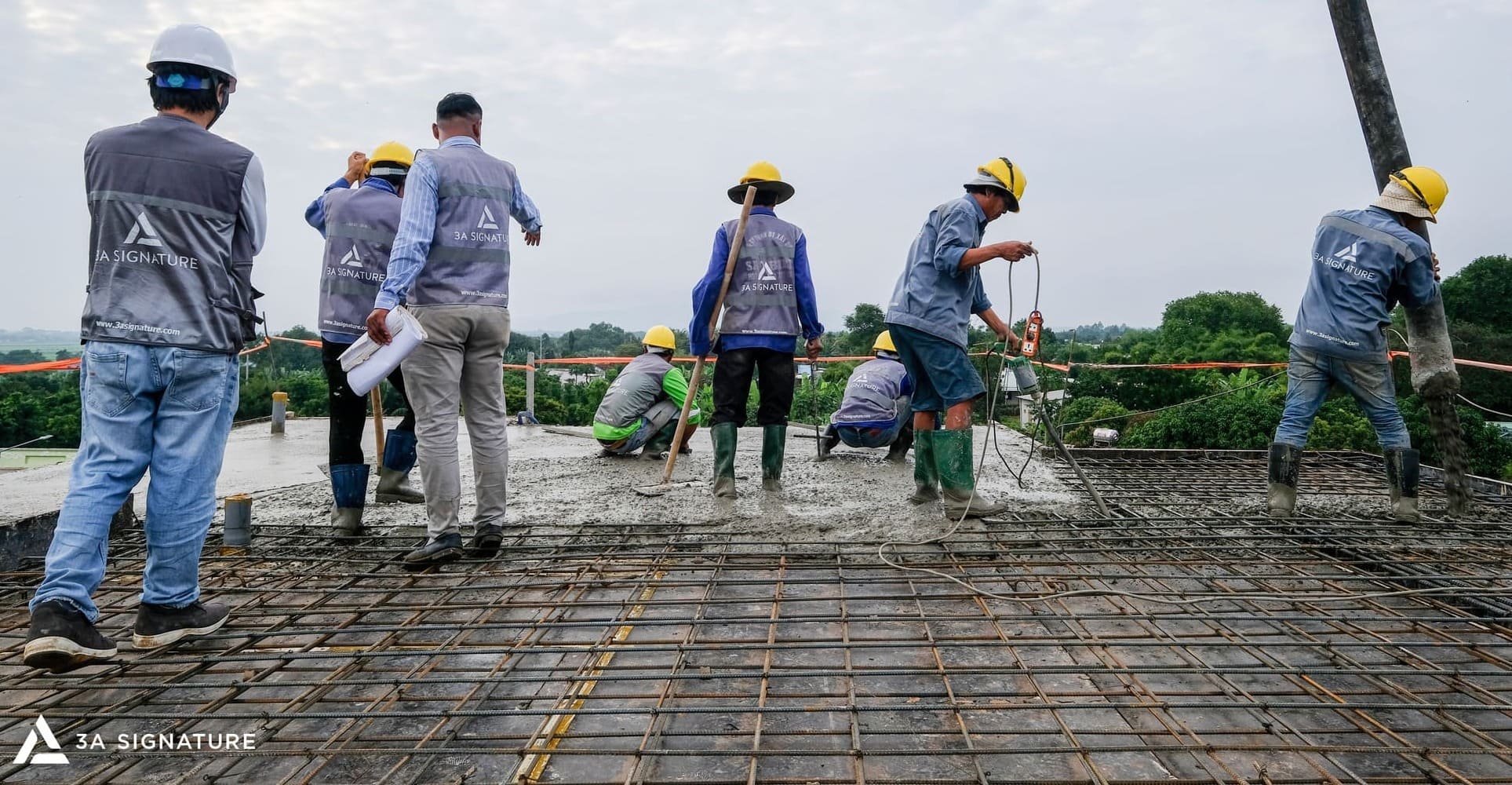
Common Types of Acceptance Reports in Construction
During construction, acceptance is recorded through various types of reports, depending on the purpose and stage.
- A quantity acceptance report focuses on evaluating the volume of work performed, materials used, and the level of completion compared to the design.
- A completion acceptance report records the final results of each item or the entire project, along with a conclusion on whether or not it meets the requirements for commissioning.
- A design document acceptance report is prepared during the review phase to ensure that the documents fully meet technical standards before construction begins.
- A project item acceptance report helps control the quality in detail for each part of the project, serving as a basis for evaluating the contractor’s capabilities and responsibilities.
Conditions for Conducting Project Acceptance
A project is only accepted when all necessary conditions are met. Quality-related issues must be clearly documented, including deadlines and corrective action plans if defects are found.
After repairs, the project must be re-inspected and then undergo maintenance and upkeep in collaboration with the homeowner. Only when the project meets the requirements will it be allowed to be used or handed over to the homeowner.

Practical Construction Acceptance Process
Although each project has its own unique characteristics, the acceptance process for a residential construction project at 3A Signature, or many other design and construction companies, usually includes the following basic steps:
- Inspection of materials, equipment, and products used in the construction
- Evaluation of each completed item and component
- Acceptance at each construction stage
- Final acceptance before handover and commissioning
This process helps ensure that all elements, from technical to aesthetic, are strictly controlled to guarantee
Conclusion:
In any construction project, acceptance is not only a mandatory procedure but also a direct protection of the homeowner’s rights. A clear and transparent acceptance process will help the construction achieve quality, safety, and durability over time.
With a design-build approach, 3A Signature always places acceptance testing at the center, ensuring that every project delivered lives up to the trust and investment of our clients.