

Land in Long An particularly in areas like Ben Luc, Duc Hoa, and Can Giuoc possesses distinct characteristics: soft, river-adjacent soil; high humidity year-round; afternoon breezes blowing in from the Vam Co River; and a quality of light quite different from that of the city softer, cooler in tone, and dappled with the shadows of trees. Designing a beautiful villa in Long An is not simply a matter of taking a blueprint from Ho Chi Minh City and replicating it; rather, it is a process of carefully interpreting the nuances of each specific plot of land before the design work even begins.
Why Long An Is Becoming a Destination for High-End Villas
In recent years, Long An has witnessed a clear shift from Ho Chi Minh City: business families, CEOs, and real estate investors are seeking more spacious, greener, and more private living environments all while remaining within a 30–45 minute commute to the city center.
Improving connectivity infrastructure such as the Ben Luc – Long Thanh Expressway, Ring Road 3, and National Highway 50 has ensured that geographical distance is no longer a barrier. Meanwhile, the abundance of available land, low construction density, and most notably natural waterfront settings (features that have all but vanished from within Ho Chi Minh City itself) are creating an irresistible appeal.
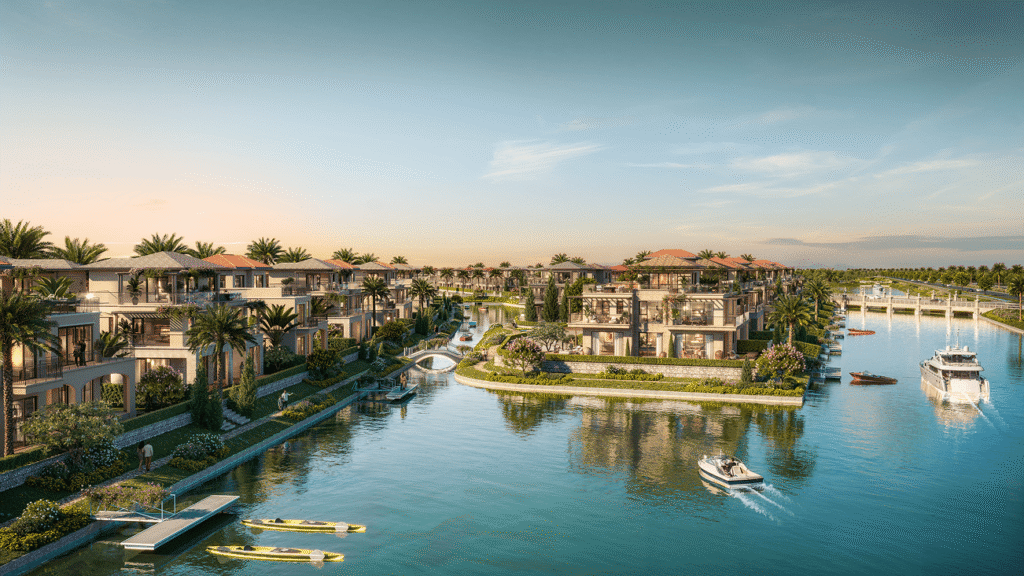
Eco-urban developments—such as Eco Retreat (a 220-hectare project in Ben Luc featuring over 2,000 villas and 23 hectares of water surface) and Waterpoint (a 355-hectare development with 5.8 kilometers of frontage along the Vam Co Dong River) as well as individual riverside plots in Duc Hue and Can Giuoc, are driving an unprecedented demand for high-end villa design in Long An.
Key Considerations for Architects Designing Villas in Long An
1. The Crucial Challenge of Foundation Design
Long An is an alluvial plain, where much of the land particularly in areas near rivers and canals features weak geological conditions. This represents the most significant technical distinction compared to designing villas in Ho Chi Minh City or the firmer terrain found in the eastern region.
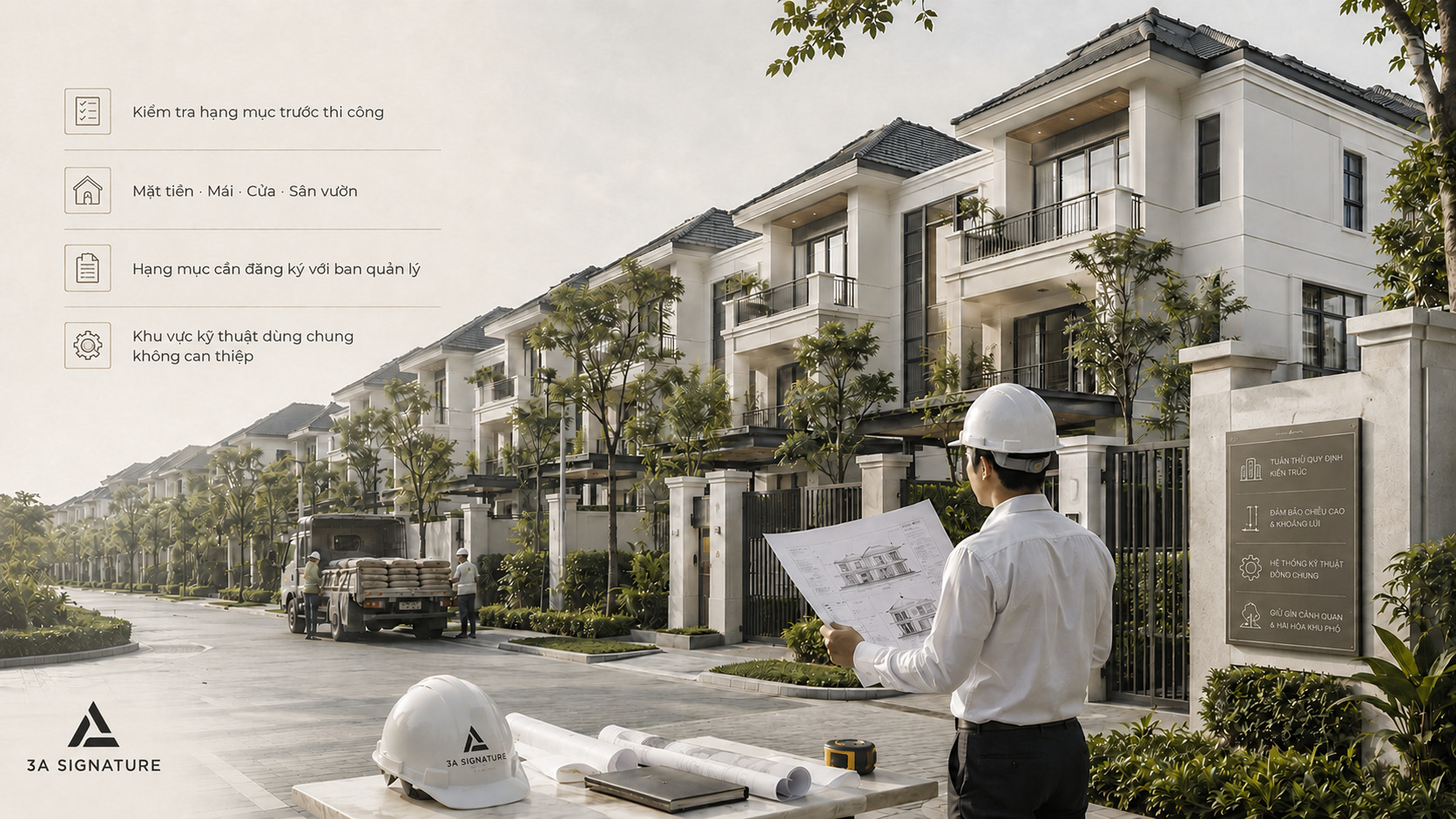
Before designing any element, 3A Signature always conducts or requires an actual geological survey, rather than relying on general estimates. The choice of foundation type, pile depth, and ground reinforcement strategy all depend on these findings. A beautiful villa built on an improperly designed foundation will inevitably suffer from differential settlement within a few years; the cost to rectify such issues later would be many times higher than the expense of implementing the correct solution from the outset.
2. Wind Direction and Moisture Control – Lessons from the Riverine Region
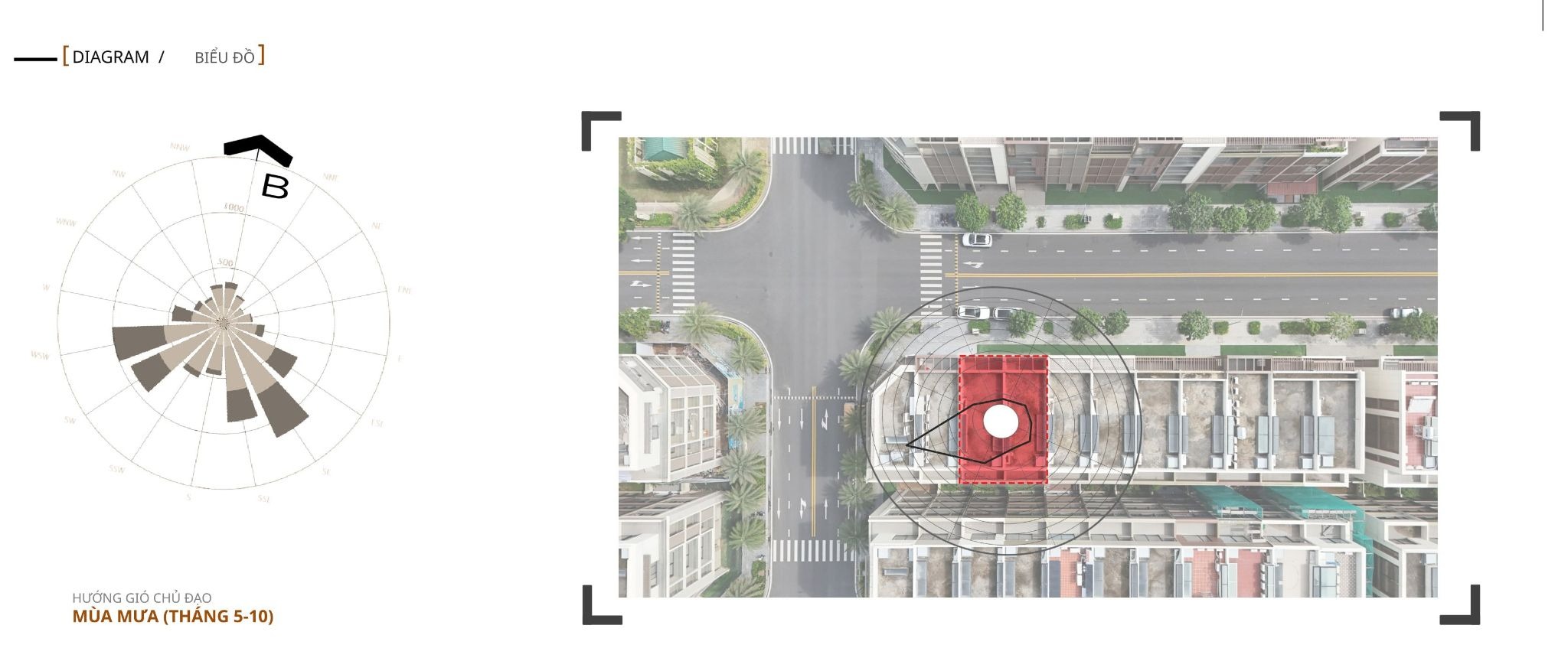
The climate in Long An is characteristic of a delta region: the average humidity is higher than in Ho Chi Minh City, and while the river breeze provides a cooling effect in the afternoon, it also carries a significant amount of moisture. This presents both an advantage and a challenge for architectural design.
The advantage: if harnessed correctly, the river breeze can facilitate excellent natural ventilation, substantially reducing the need for air conditioning. Villas in Long An especially those situated along the river can achieve a level of natural coolness that is difficult to replicate in urban, inland villas.
Challenge: High humidity necessitates careful material selection. Natural wood requires treatment to prevent mold and moisture damage. Exterior paint must be chosen for its ability to withstand a humid environment. Waterproofing for floors, roofs, and walls in contact with the ground requires specialized design; standard practices used in urban construction are insufficient.
3. Leveraging Riverside Landscapes – A Unique Specialty of Long An
This is an aspect where villa design in Long An can truly excel, surpassing any other area surrounding Ho Chi Minh City. When harnessed effectively, views overlooking rivers, canals, or the artificial water features within an urban development create a living experience that is entirely unique and impossible to replicate elsewhere.
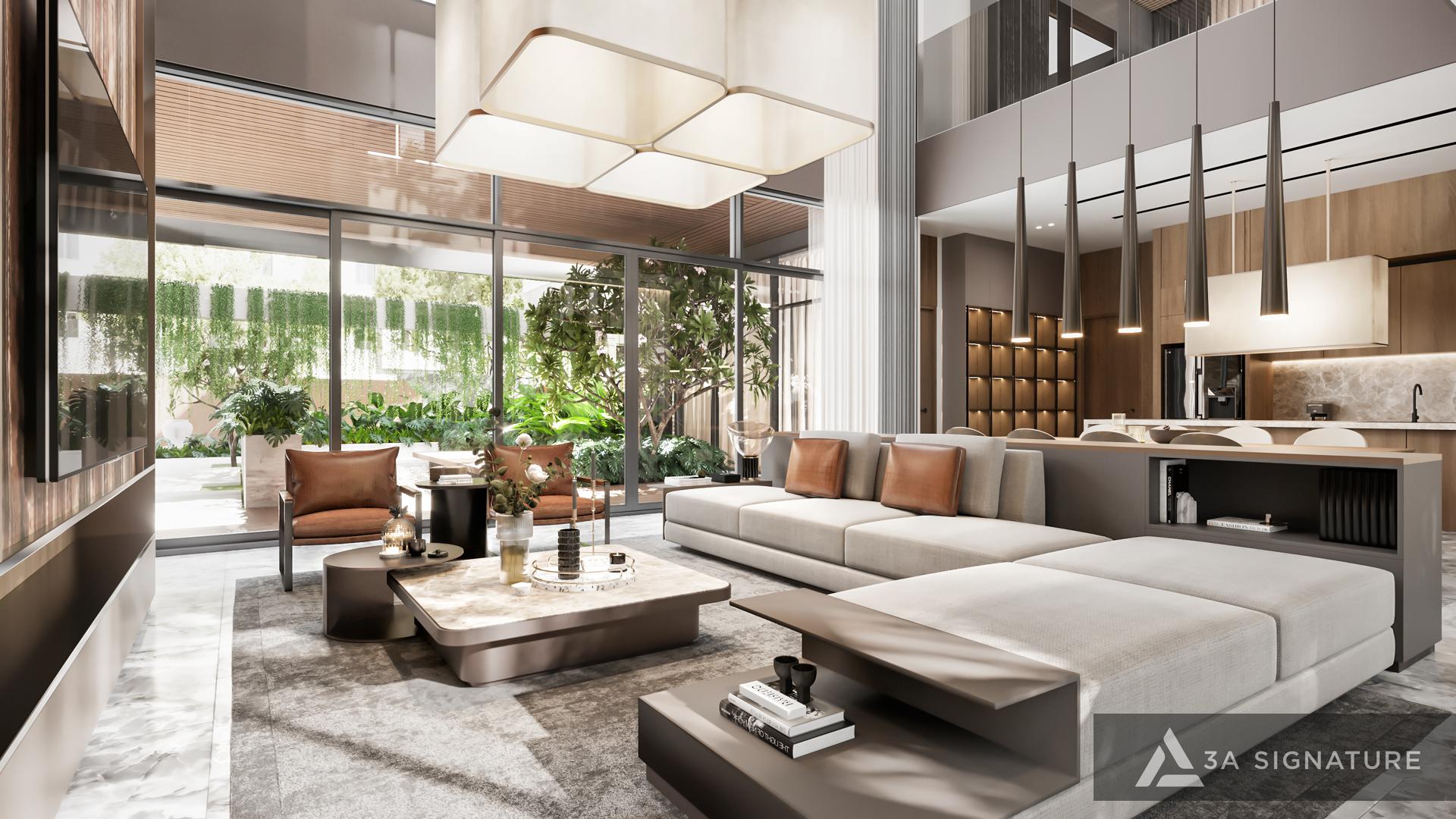
In the design of 3A Signature, the view of the water is not merely an “added feature” but the foundational element that dictates the entire layout. The living room and primary living spaces are oriented toward the water. Full-height sliding glass doors allow an entire side of the structure to open up, transforming the boundary between the interior and the river into a seamless transition. An infinity-edge pool faces the river; while swimming, the perspective extends all the way to the water beyond, creating a sense of endlessness.
4. Feng Shui and House Orientation
When designing a villa in Long An, Feng Shui cannot be overlooked. In this region especially for riverside plots homeowners place great importance on the principle of “backing onto a mountain (or solid ground) while facing water,” where the house faces the river and rests against a residential area behind it. Orientations toward the southeast or south are preferred to capture cool breezes while avoiding the harsh afternoon sun.

3A Signature does not view feng shui as a technical obstacle; rather, it considers it an additional layer of information that helps refine a design layout. In fact, many traditional feng shui principles such as those concerning the orientation of a house or the placement of the main entrance align precisely with the concepts of passive climate-responsive design, an approach also embraced by modern architecture.
3A Signature in Long An – Designs Tailored to the Land, Not Imposed Upon It
3A Signature is actively engaged in the design and construction of villas in Long An ranging from individual plots in Duc Hue to residences within the Eco Retreat Ben Luc ecological development. Spanning 220 hectares, this project stands as one of the largest eco-urban developments in the South, featuring 121 hectares of lush greenery and 23 hectares of water surfaces.
A defining characteristic of all 3A Signature projects in Long An is that every design begins with the unique attributes of the specific plot of land; no pre-existing, standardized blueprints are ever imposed. A riverside plot differs from one located within an urban zone; an east-facing site requires a different approach than a west-facing one; and a home for a young family serves a different purpose than one designed for a multi-generational household. It is precisely these nuances that result in a design that truly belongs to the homeowner, rather than one that merely reflects the architect’s own vision.
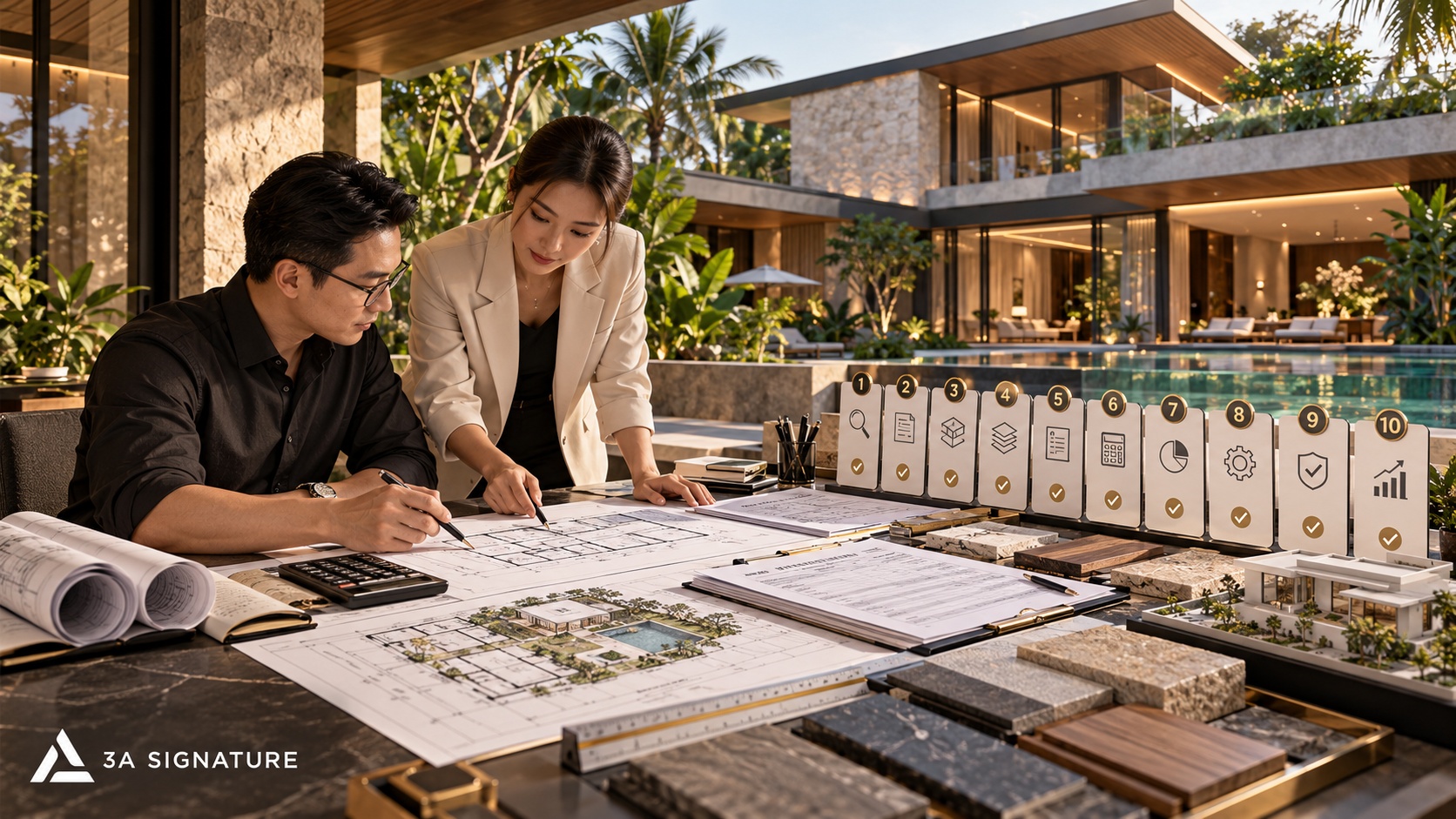
The Tropical Modern style championed by 3A Signature is exceptionally well-suited to the climate and landscape of Long An: open spaces that invite breezes from the river, expansive eaves to provide shade from the afternoon sun, timber louvers that filter the light, and gardens and water features integrated into the architecture from the very beginning rather than added as an afterthought once the house is built.
Practical Considerations for Building a Villa in Long An
Thoroughly verify the legal status of the land before beginning the design process. In some areas of Long An, land may be classified as agricultural or designated for other uses that have not yet been rezoned for construction; building on such land can lead to legal complications. Always confirm the land classification and permitted usage before placing a deposit or proceeding with any design work.
Factor in material transportation costs. For certain high-end materials such as natural stone, imported teak, or large-scale tempered glass transportation and installation costs in Long An may be higher than in Ho Chi Minh City. Ensure your budget accounts for these specific expenses; do not simply apply price lists from Ho Chi Minh City directly.
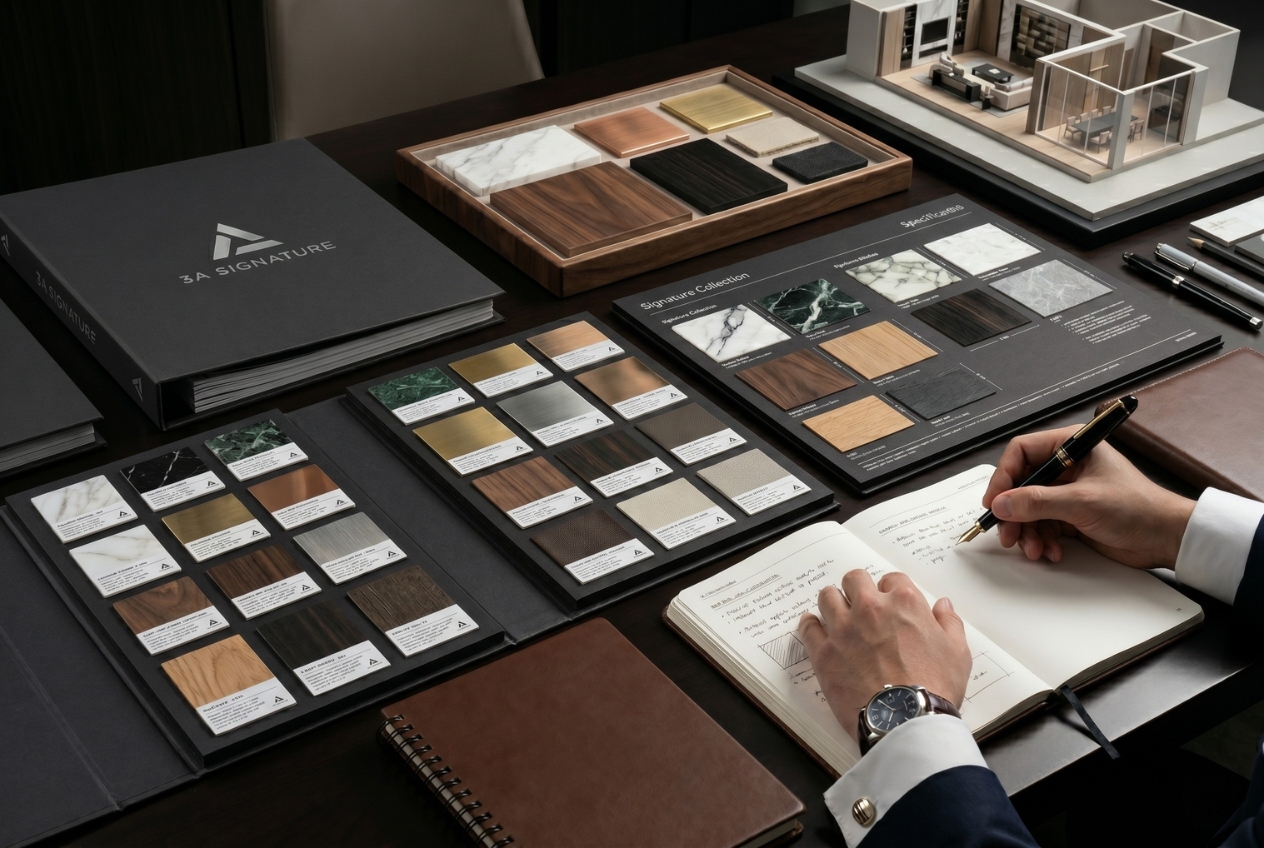
Priority should be given to contractors with prior construction experience in Long An. The region presents unique challenges ranging from specific geological conditions and the local labor market to the technical requirements for construction along riverbanks. A contractor familiar with the area will be better equipped to avoid unnecessary complications.
The drainage system requires specialized design. During the rainy season, Long An experiences heavier rainfall and a higher risk of flooding compared to Ho Chi Minh City a concern that is particularly acute for low-lying plots situated along riverbanks. Drainage for gardens and roofs, as well as the elevation of the building’s foundation, must be carefully calculated during the design phase, rather than addressed as an afterthought once construction is complete.
Long An – A True Haven for Villas
As prime land in Ho Chi Minh City becomes increasingly scarce and expensive, Long An offers opportunities that few would have imagined a decade ago: spacious, riverside plots within well-planned eco-urban developments all at a still-reasonable investment cost.
Yet, transforming such an opportunity into a truly livable villa requires a design partner who understands the land of Long An not just from a technical perspective, but also in terms of how people envision their lives unfolding there.
The team at 3A Signature is ready to accompany you every step of the way from the initial site survey to the final handover of the keys.