

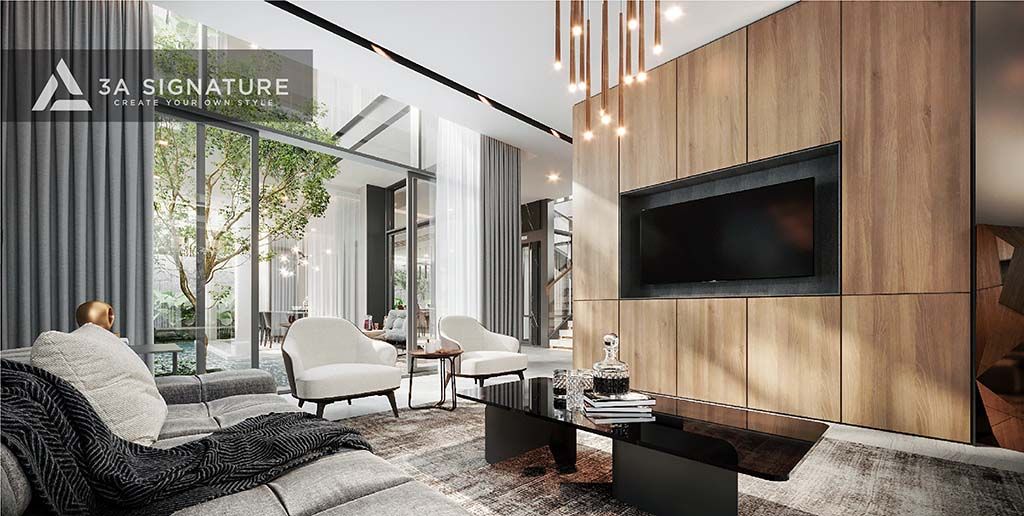
In modern architectural design trends, incorporating nature into living spaces (Biophilic Design) has become a standard. However, a common mistake many homeowners make is trying to fill every empty space with greenery. At 3A Signature, we believe that a truly classy living room isn’t about owning a “miniature forest,” but about the subtlety in selecting and arranging plants to harmonize with the overall architecture.
Overusing greenery not only makes the space feel cramped but also inadvertently disrupts the flow of positive energy in the house. Let’s explore the philosophy of selecting plants to keep the living room feeling “light” and elegant.
Why Does a Living Room Need Airiness Instead of an Overly Dense Greenery?
The living room is not only a place to welcome esteemed guests but also the “heart” of the home, where the main traffic takes place. Placing too many plants in the living room or choosing the wrong size can lead to many functional and aesthetic problems.
Obstruction of Light and Air Circulation
When oversized plants obscure windows or vents, the room becomes dark and lacks natural light – the most important element to highlight expensive interior details. The moisture from watering can also easily cause mold, affecting the durability of wooden floors and high-end furniture.
Dividing Space and Creating a Feeling of Confinement
In modern villas or townhouses, no matter how spacious, “breathing space” is needed. An oversized potted plant placed in the wrong position will become a visual obstruction, narrowing walkways and making the space feel fragmented and lacking coherence in the architectural language.
3 Types of Plants Recommended by Experts for Your Living Room
To create a sophisticated green space while maintaining an airy feel, the choice of plants for the living room should be based on criteria such as soft leaves, airy foliage, and ease of controlling size.
1. Plants with Soft and Airy Foliage
Plants like Peace Lily, Pothos, or Schefflera are often favored by architects. Their common feature is their naturally drooping, soft foliage, which helps to soften the sharp edges of the architecture. They don’t take up too much horizontal space, helping the overall room maintain an elegant feel.
2. Medium-Sized Plants Placed Off-Center to Create a Focal Point
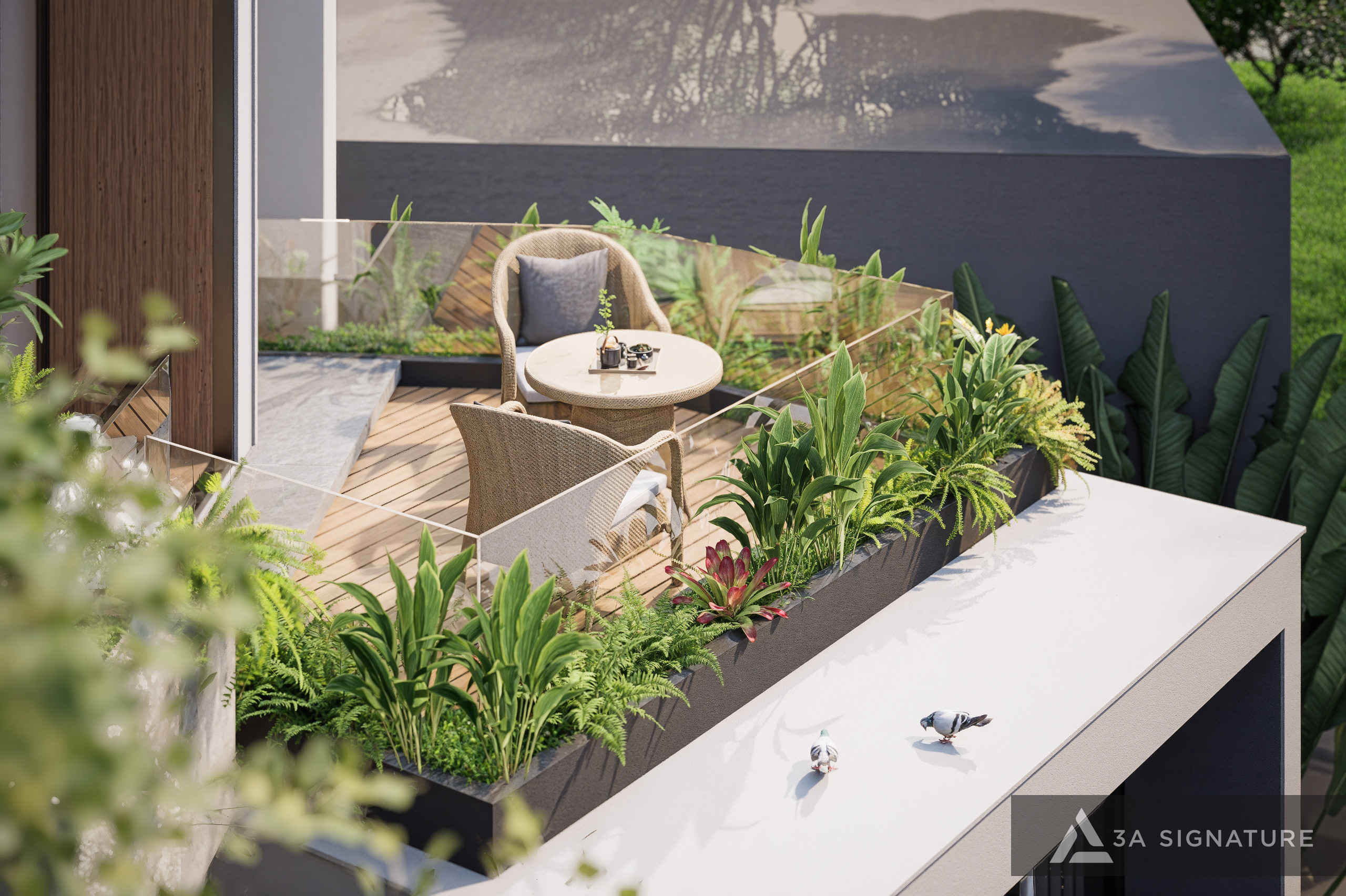
For large living rooms, a medium-sized Money Plant or Snake Plant is an ideal choice. However, the golden rule is to place them in dead corners, against the wall, or next to the TV stand instead of blocking the walkway. This arrangement adheres to the principle of “accent,” helping the plant in the living room become part of the interior design rather than the main character overshadowing everything.
3. Bonsai or Miniature Plants for Shelf Decoration
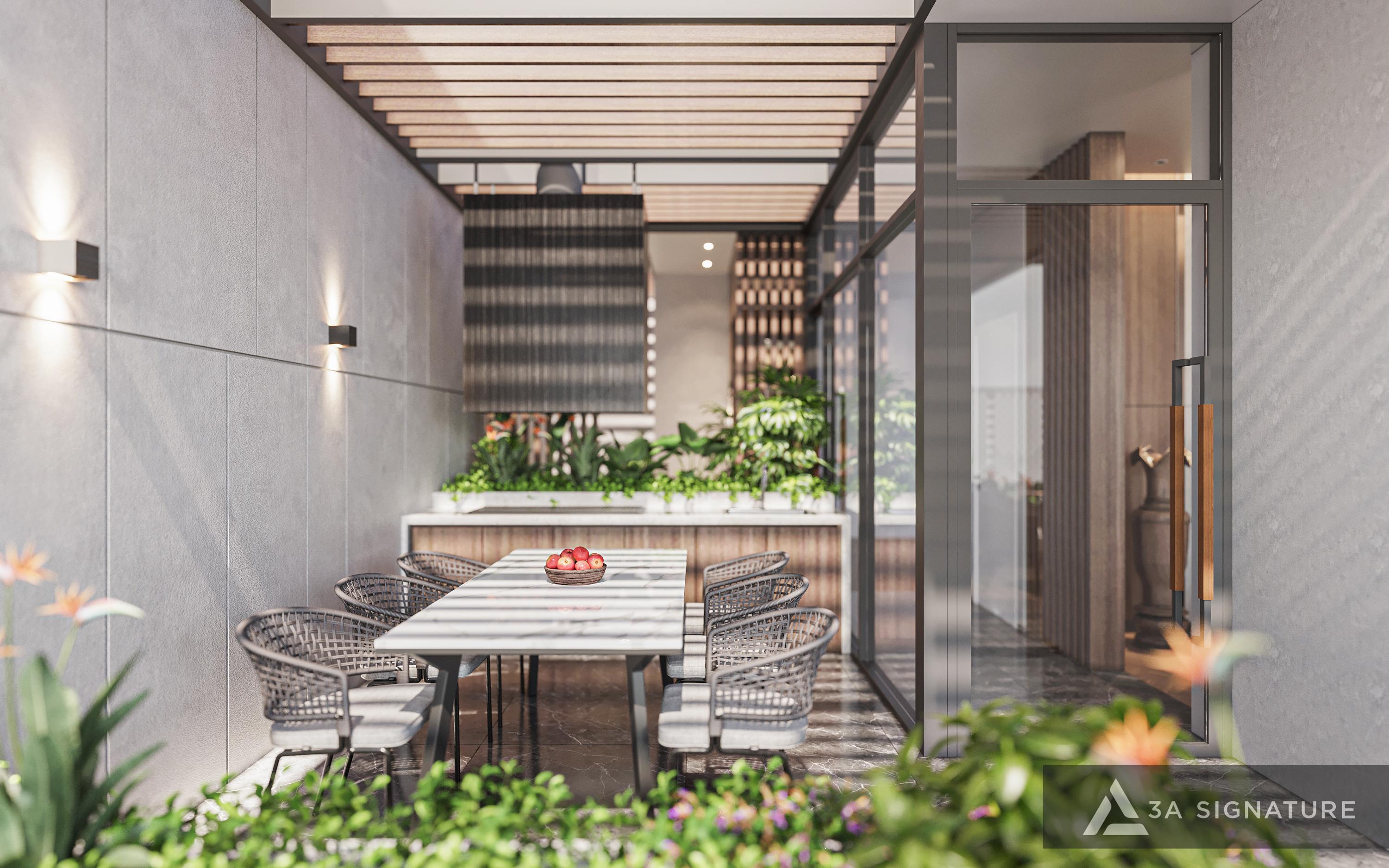
Using small potted plants on tea tables, windowsills, or decorative shelves is a smart way to bring greenery into the home without disrupting the spatial structure. These plants act as elegant decorative accessories, bringing a sense of peace and tranquility to the homeowner.
2 Types of Plants to Consider Carefully Before Placing in Your Living Room
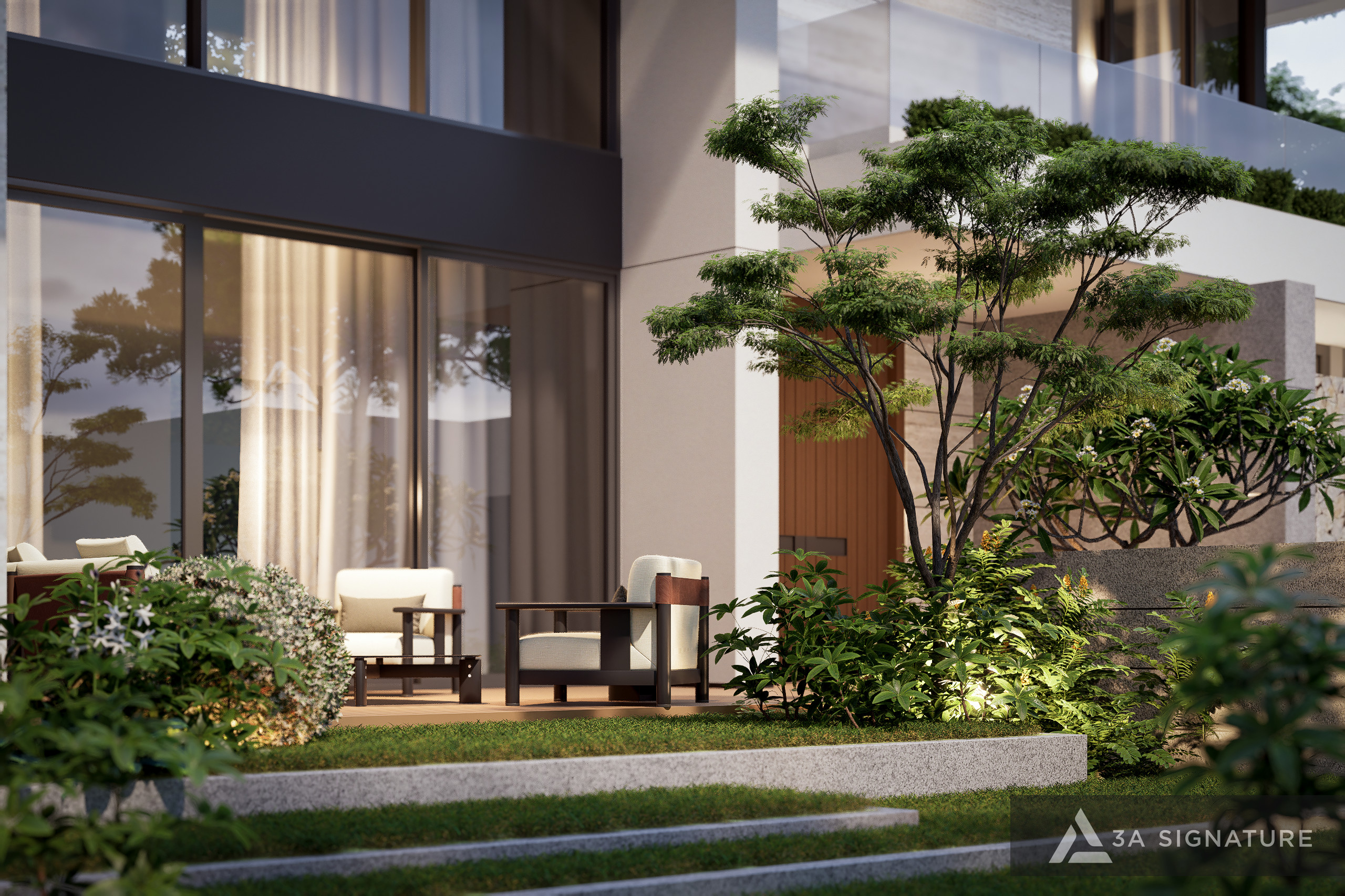
From both the perspective of the ancients and modern architectural thinking, there are certain types of plants that should be “returned” to their rightful place in the garden instead of being placed inside the living room.
1. Large, Dense, and Bushy Trees
Trees like the large Singapore Ficus, the Ficus microcarpa, or other ornamental plants with overly dense foliage often create a heavy feeling. According to folk wisdom, the living room needs “yang energy” and clarity, while dense foliage is considered “yin energy,” easily accumulating dust and insects. Placing a large tree in the center will make the ceiling appear lower and the space feel “oppressed.”
2. Plants with Sharp Thorns or Overly Stubborn Shapes
Cactus-like plants or those with sharp leaves often create a visually unsettling feeling. The living room needs to be a warm and inviting space, so the interior elements and plants should be rounded and soft. Sharp lines not only pose a danger to young children but also create conflicting energy flows, making it difficult for those in the room to fully relax.
Feng Shui Philosophy in Life: Proper Placement is More Important Than Excessive Placement
Feng Shui in 3A Signature architecture isn’t about mysticism, but about scientific arrangement to optimize the living experience. Properly placing plants in the living room significantly improves air and light circulation.
The “Opening the Way” Principle
The central area of the living room should be kept clear to create a sense of openness and allow “qi” (energy) to flow freely. Instead of a large potted plant in the middle of the room, choose a tall, slender plant placed in a corner to guide the eye upwards, making the space feel taller and wider.
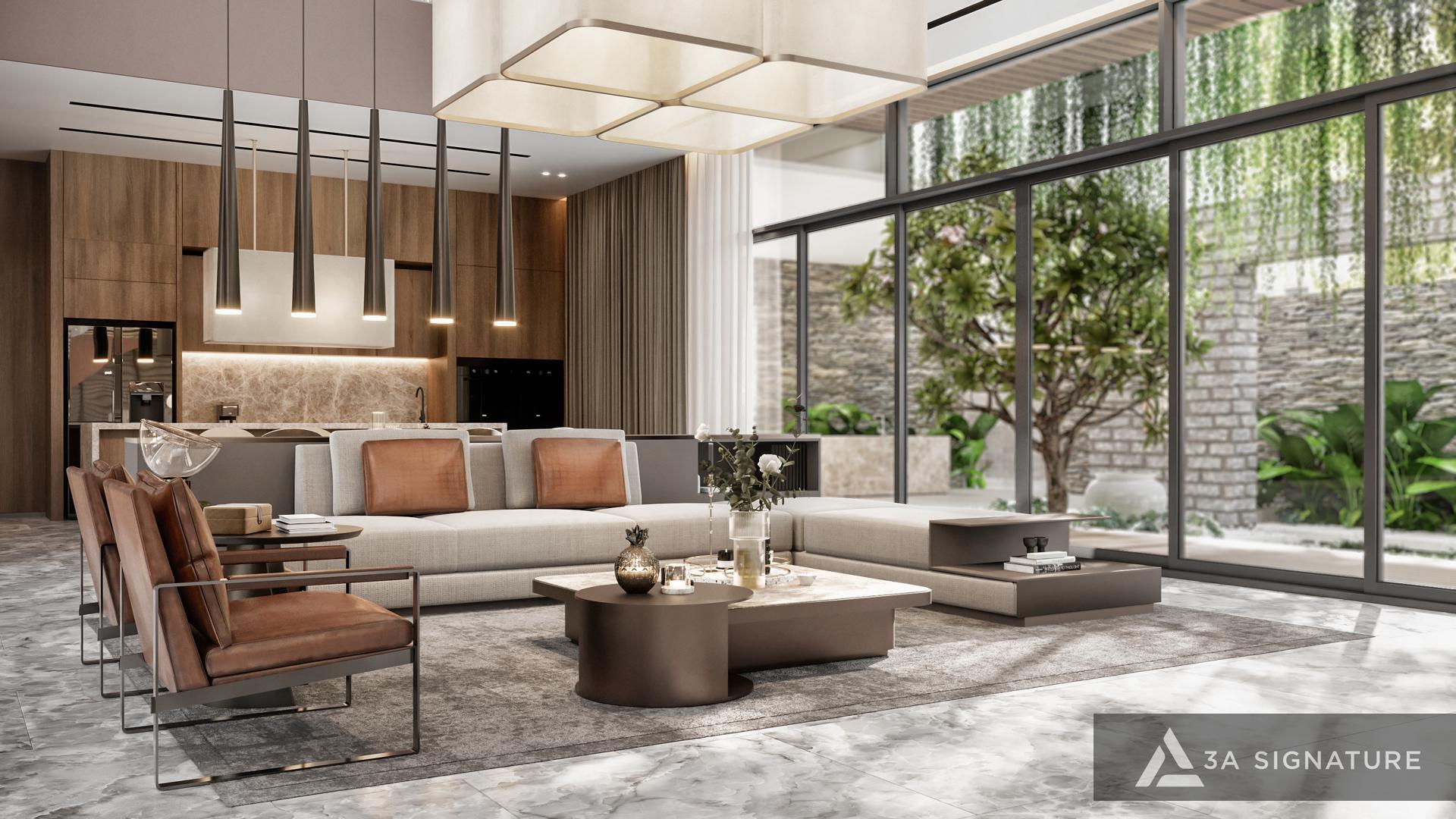
The Balance Between Humanity and Nature
The ultimate goal of planting trees in the living room is to serve human emotions. A few lush, well-cared-for potted plants will bring far more positive energy than a dense but gloomy forest. When the living space is freed from clutter, the human mind also becomes lighter and clearer.
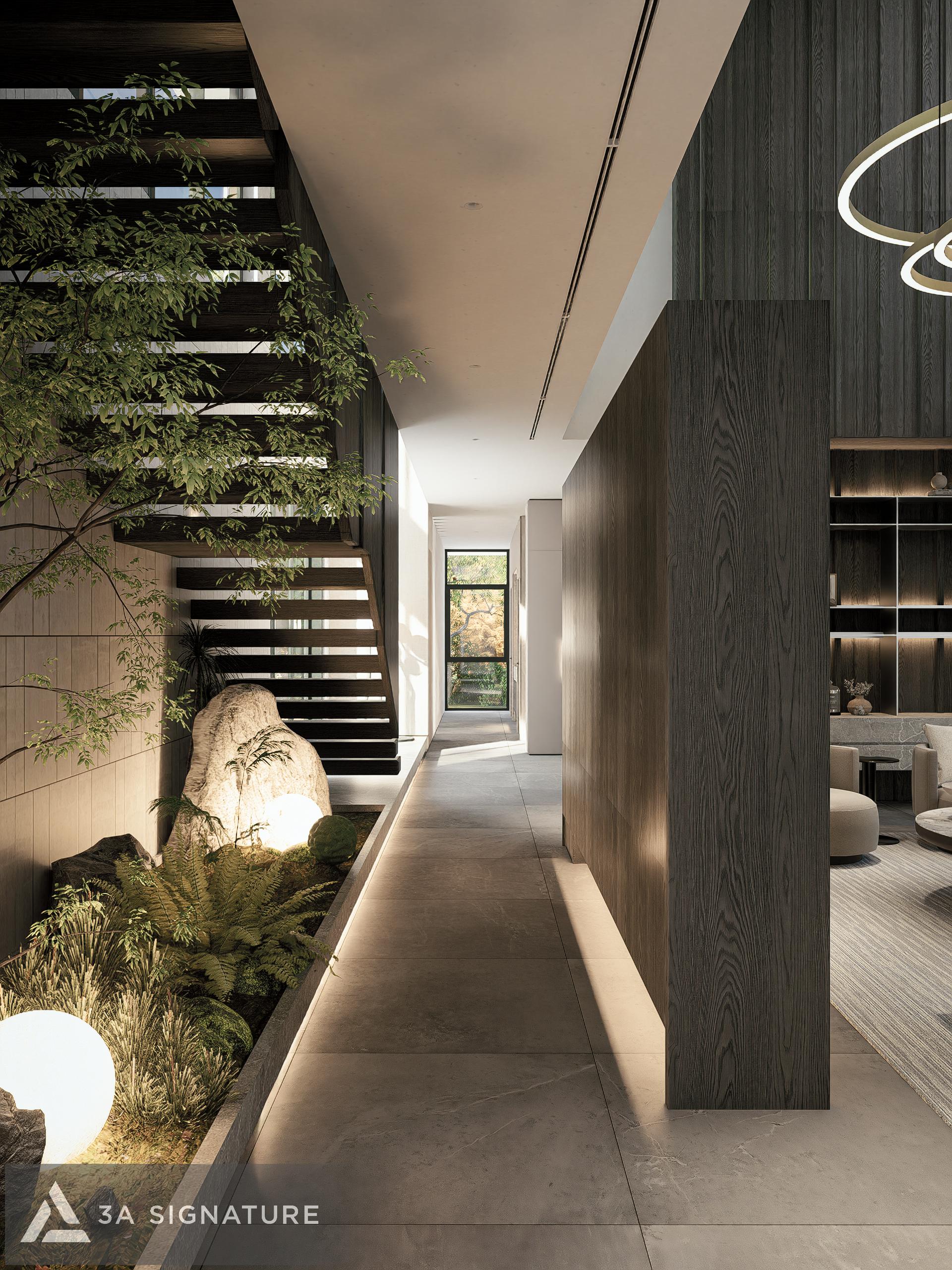
Conclusion: Refined Green Living in Every Moment
Bringing nature into your home is a legitimate need, but do it with the mindset of a designer: selective, minimalist, and classy. A modern living space doesn’t need too many details; each detail just needs to appear at the right time and in the right place.
At 3A Signature, we always work alongside homeowners to create living spaces that are not only beautiful on paper but also perfect in every real-life experience. If you’re wondering how to arrange plants in your living room to match sophisticated taste, let our architects advise you on the best solution.