


Entering 2026, eco-friendly interior design is no longer just a trend, but a new standard of living for homeowners who prioritize health, durability, and long-term value. From materials with transparent origins to flexible designs, living spaces are shifting towards sustainability, sophistication, and a deeper connection between people and nature.
The Return of Wood with Transparent Origins
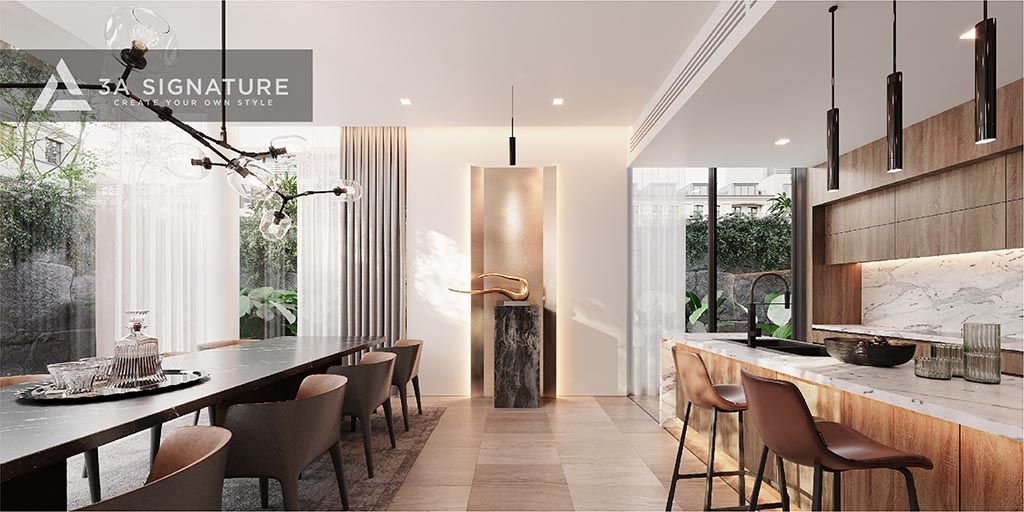
In 2026, the concept of “beautiful wood” is redefined. Value no longer lies in rarity or elaborate colors, but in clear origin and a sustainable life cycle. Wood certified by sustainable forest management, recycled wood, or responsibly harvested wood are gradually becoming the preferred choice.
Wood as a Material of Time
A dining set or kitchen cabinet made from natural wood with transparent origins, a neutral design, and restrained details can accompany a family for decades. As decorating trends change, the value of an item remains intact.
And it is precisely this minimalist mindset: “buy less but use longer” that has made clean wood a cornerstone of eco-friendly interior design in 2026 – one of the highlights of current design trends.
See also: Interior Design Trends 2026: Creating Tropical Modern Spaces
New Technology Materials – Durable and Environmentally Friendly
Alongside traditional materials, sustainable, high-tech materials are opening a new direction for modern living spaces, especially in the trend of bringing environmentally friendly villa interior designs to 3A Signature.
Most notably, sintered stone and next-generation composite surfaces, where durability and sustainability go hand in hand.
See also: What are the Sustainable Materials 3A Signature Currently Using?
When Durability Becomes a Green Factor
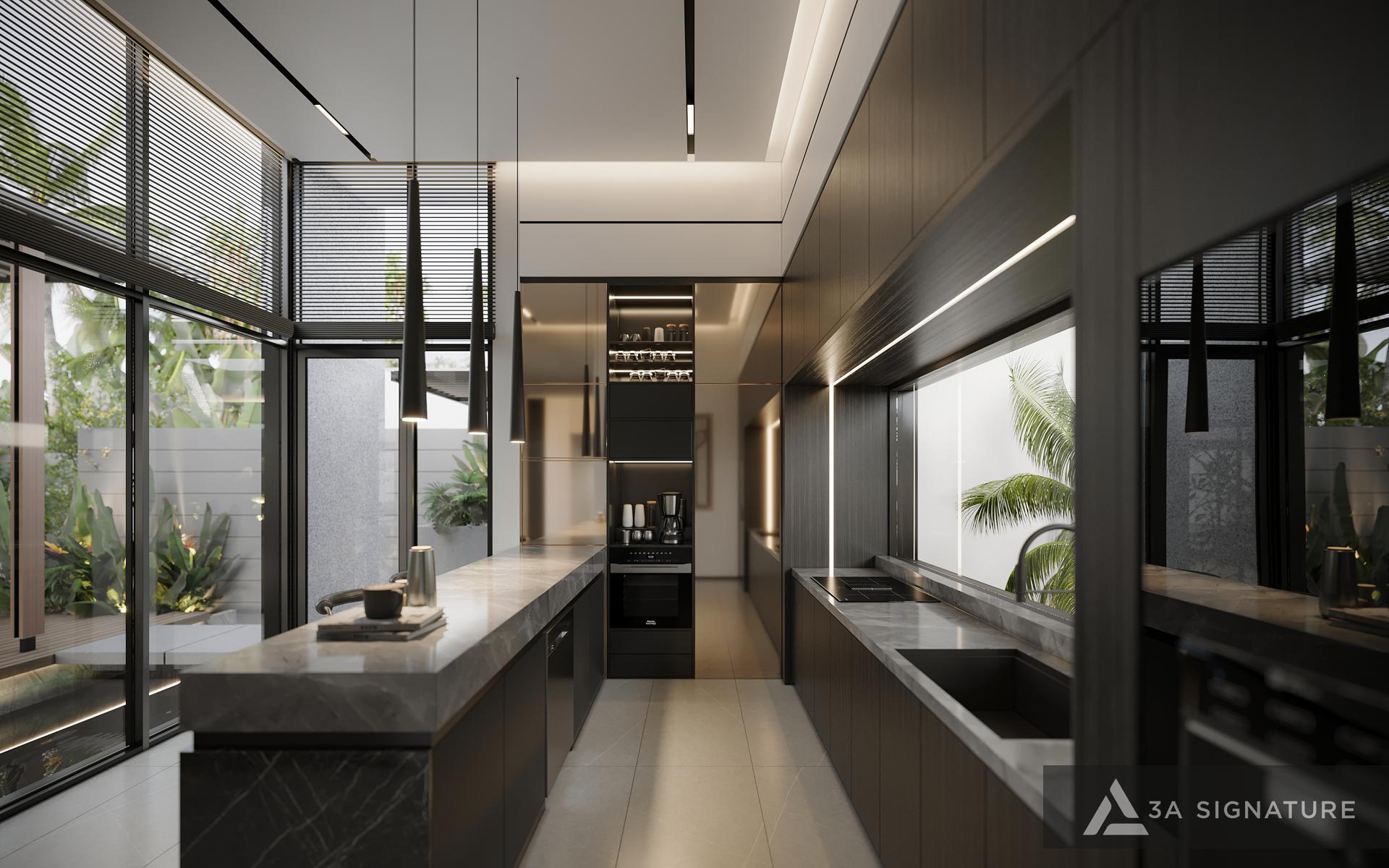
Unlike many materials that easily degrade, sintered stone is heat-resistant, scratch-resistant, waterproof, and stain-resistant. Using countertops, kitchen islands, or coffee tables made from this material helps extend the lifespan of furniture, reduce the need for replacement, and limit construction waste.
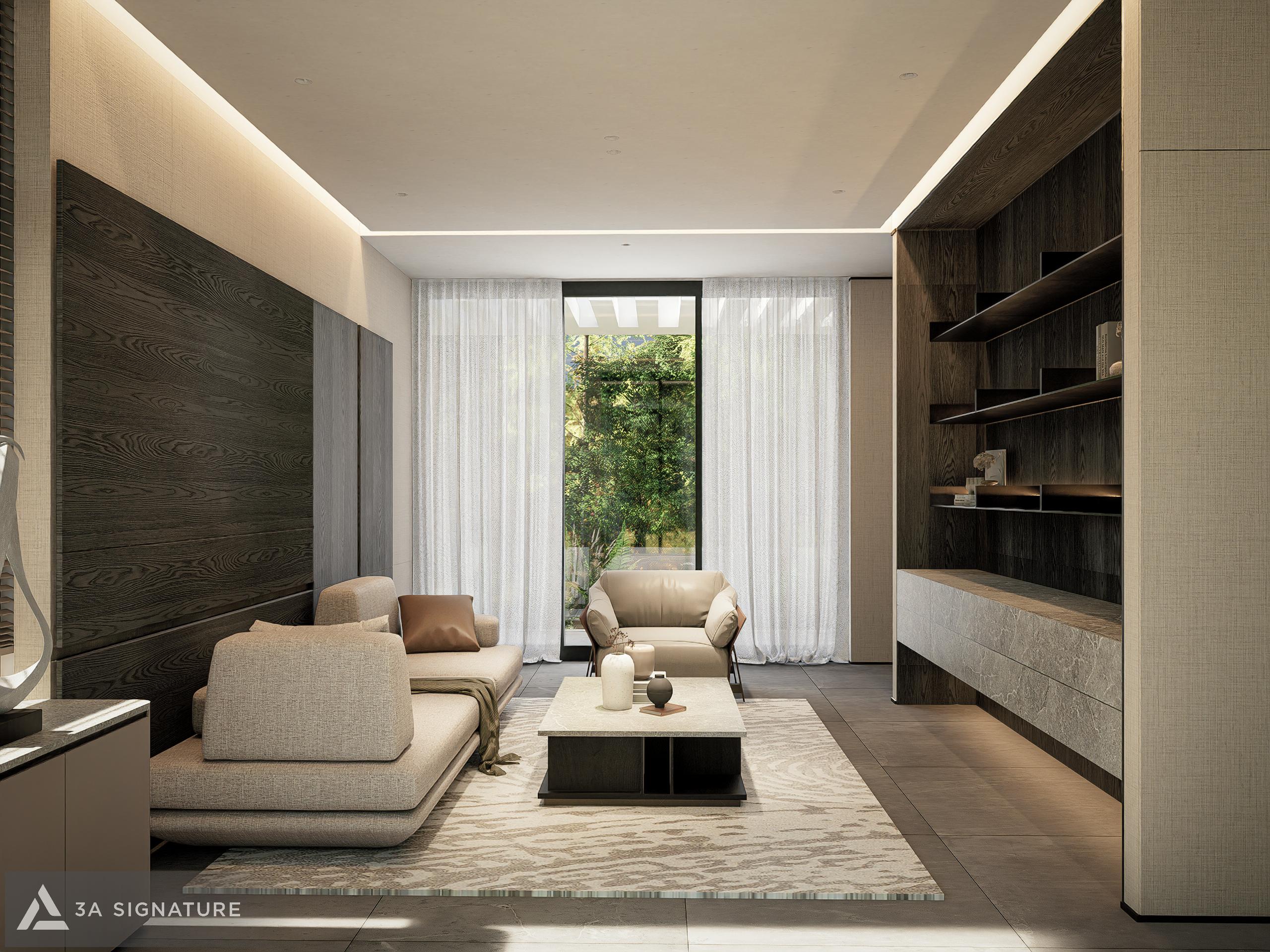
In addition, sofa upholstery made from high-efficiency recycled fibers is also popular due to its ease of cleaning, colorfastness, and suitability for humid tropical climates. This is clear evidence that technology and sustainability can go hand in hand.
“Odorless Homes” – The New Living Standard in 2026
One of the biggest changes in eco-friendly interior design in 2026 lies in the intangible factor: indoor air quality. Increasing research shows that volatile organic compounds (VOCs) from paints, adhesives, and low-quality foam directly impact respiratory health.
Non-Toxic Interior Design – An Investment in Health
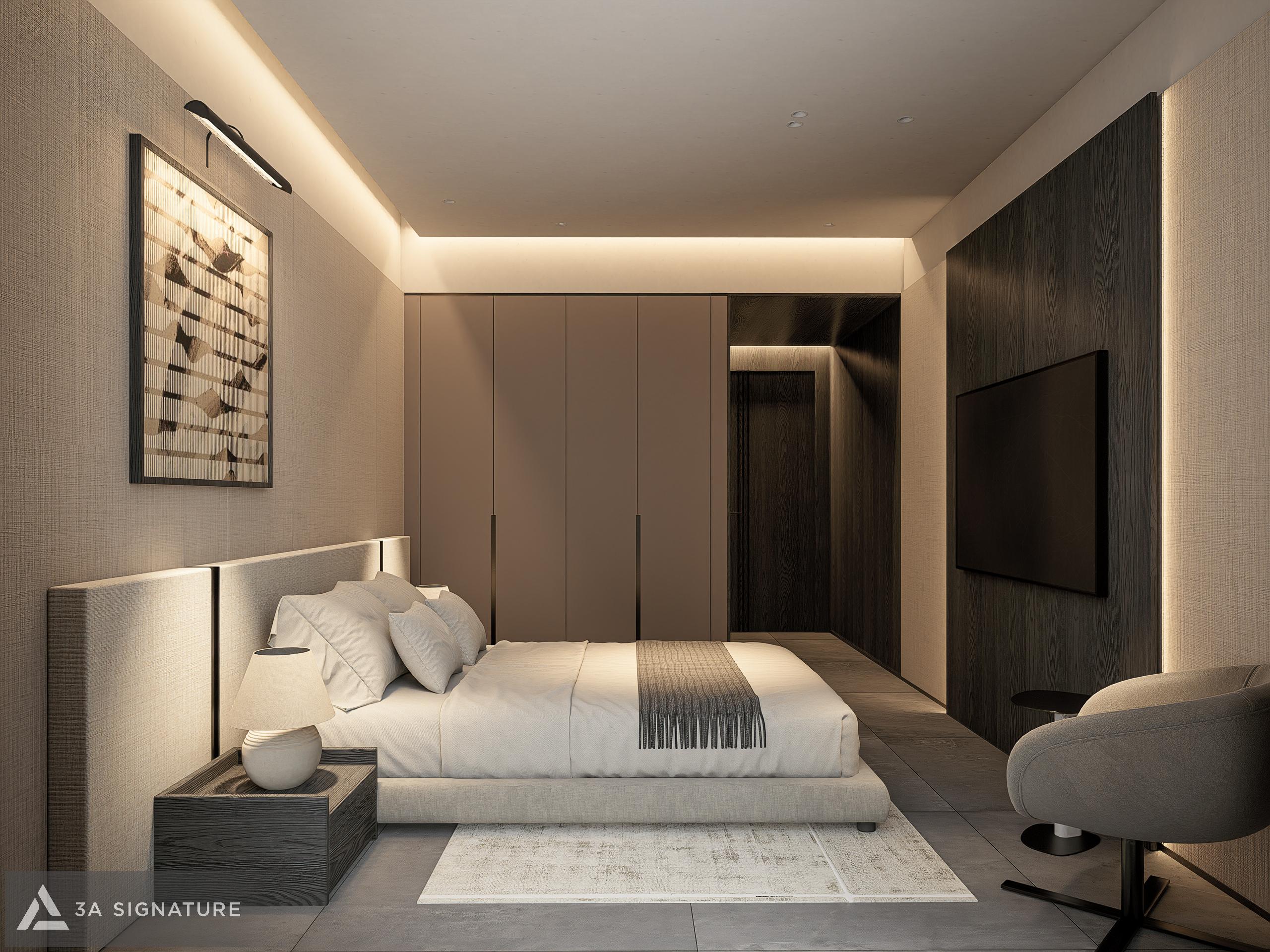
Modern homeowners are increasingly interested in water-based paints, low-emission engineered wood, and upholstery materials free of harmful chemicals. An “odorless” bed, sofa, or wardrobe not only provides a pleasant user experience but is also a long-term investment in the quality of life for the whole family, especially for young children and the elderly.
Flexible Furniture – Extending Product Lifespans
In the context of shrinking urban living spaces, 2026 will see the rise of environmentally friendly, flexible, and multi-functional furniture solutions. Instead of buying many separate items, homeowners prioritize designs that can be adapted to their living needs, while simultaneously reducing resource waste.
When Design Serves Lifestyles
Modular sofas, expandable folding tables, or integrated cabinet systems are prime examples of environmentally friendly furniture designed for long-term adaptability. Living spaces easily change with life’s transformations: adding family members, moving house, or adjusting daily routines. Extending the product’s lifespan is also a way to minimize resource consumption and reduce waste – the core principle of sustainable furniture.
Environmentally Friendly Furniture – Sustainable Lifestyle Manifesto
The year 2026 marks an important transition: from “choosing green materials” to consciously living with environmentally friendly furniture. Furniture is no longer separate items, but becomes an extension of the philosophy of life – where people find peace, health and lasting value.
With 3A Signature, each sustainable interior space is not only created from materials, but from understanding the homeowner’s lifestyle. When architecture, interior and nature blend together, the house is not only beautiful in the present, but also sustainable over time – true to the spirit of Craft Your Tropical Villa.