

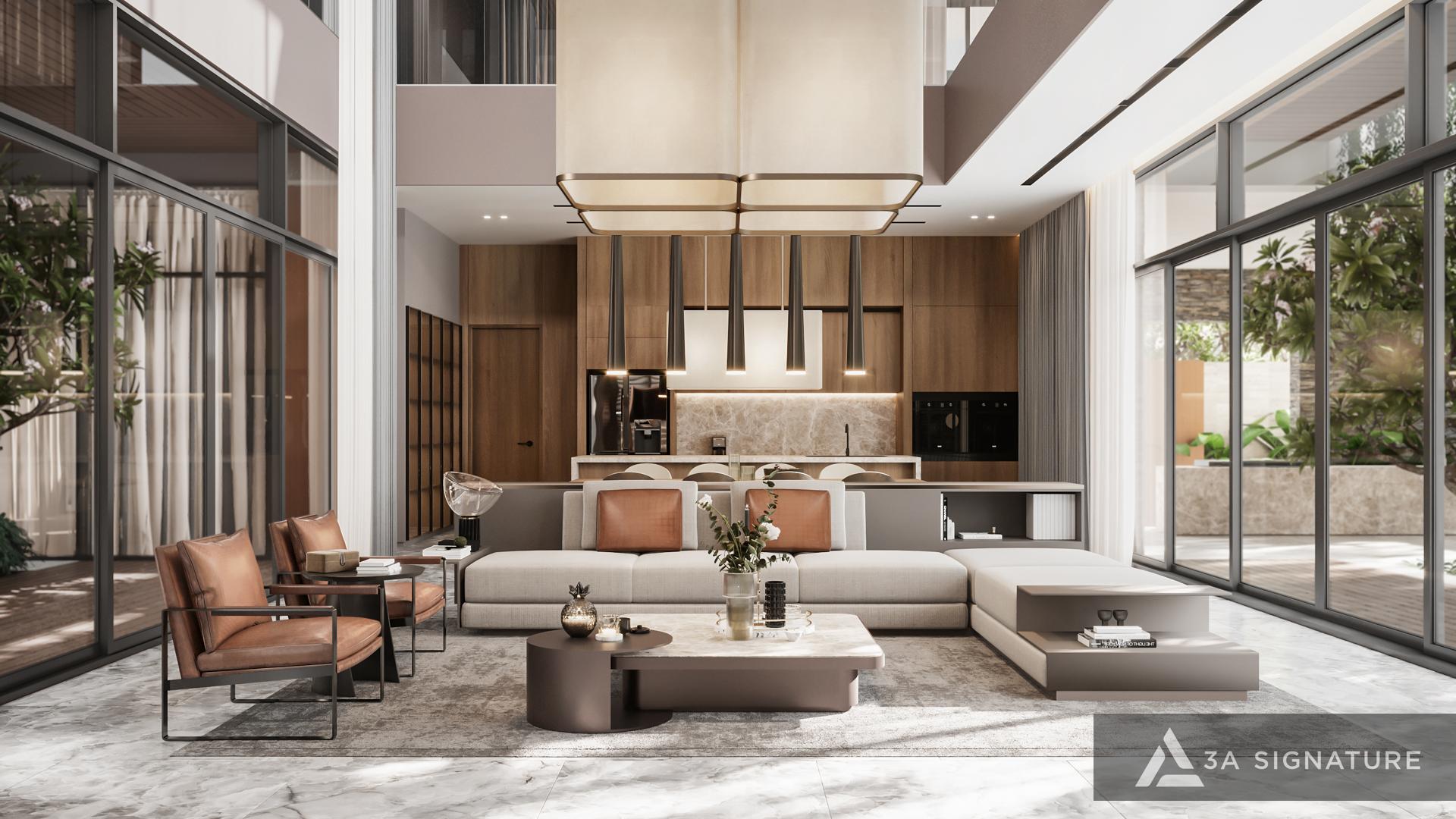
Interior design is the intersection of art and science. Join 3A Signature in deciphering the key elements that determine the aesthetics and functionality of any high-class living space.
1. Space – The Core Foundation of Interior Design
In interior design, space is the primary element, requiring a deep understanding of the advantages and disadvantages of the actual area. Mastering the characteristics of space helps optimize the area and determine the most suitable interior layout.
The Balance Between Solid and Empty Spaces
Space is divided into two main types: solid space (where furniture and equipment are placed) and empty space (empty areas for movement). A sophisticated design requires a harmonious combination of these two elements to avoid clutter and create visual balance in the room.
2. Lines – The Language of Shapes in Space
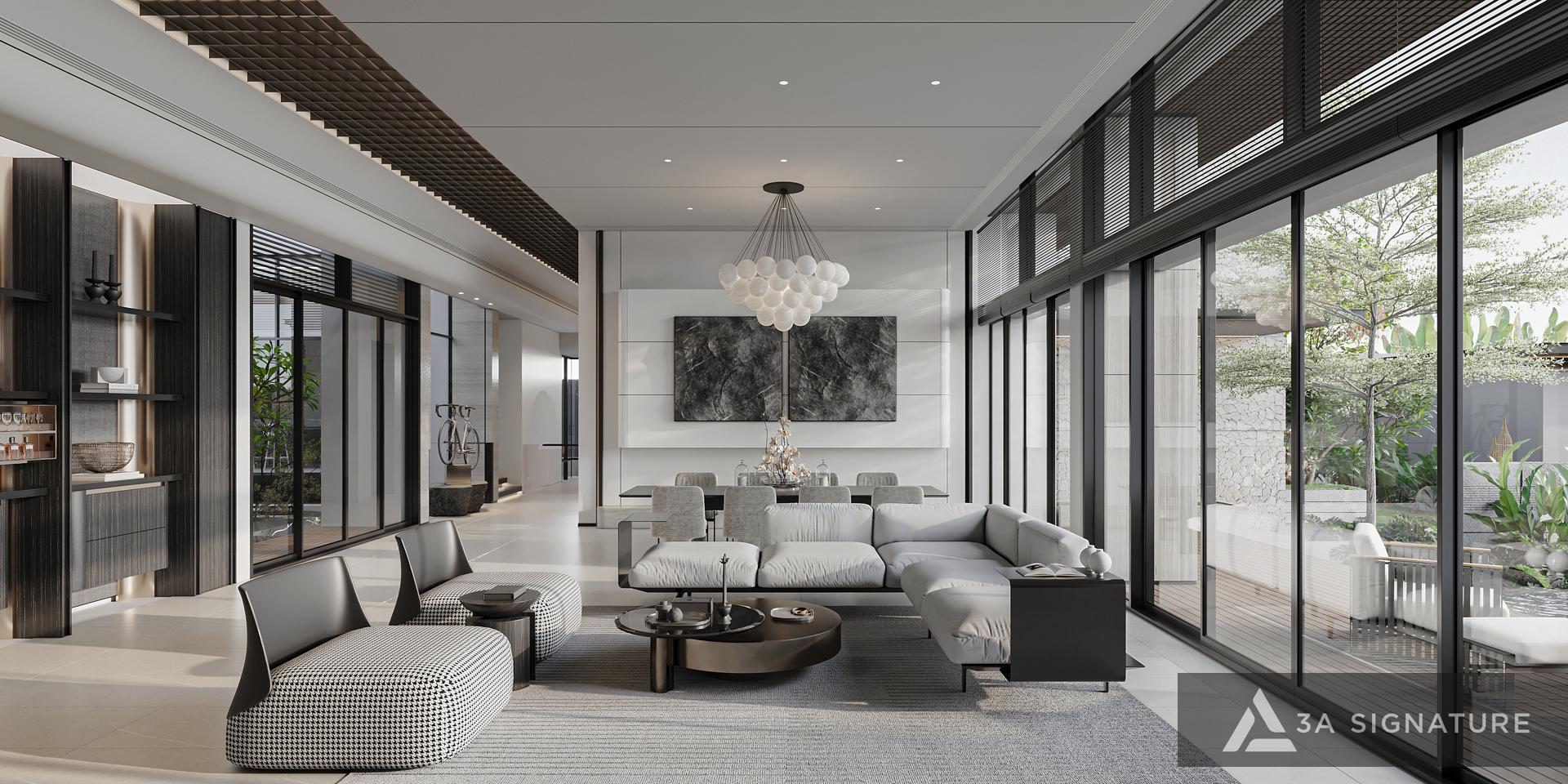
Lines directly influence the perception of strength, modernity, or softness in a building. Combining different types of lines conveys distinct messages from the designer.
- Horizontal lines: Often seen on tabletops, they provide a sense of stability, formality, and make the space appear larger.
- Vertical lines: Appear at windows and entrances, creating a sense of height and solemnity.
- Dynamic lines: Including diagonal, zigzag, and curved lines, they create energy, movement, and strong visual appeal for decorative accents.
3. Interior Shapes and Sizes
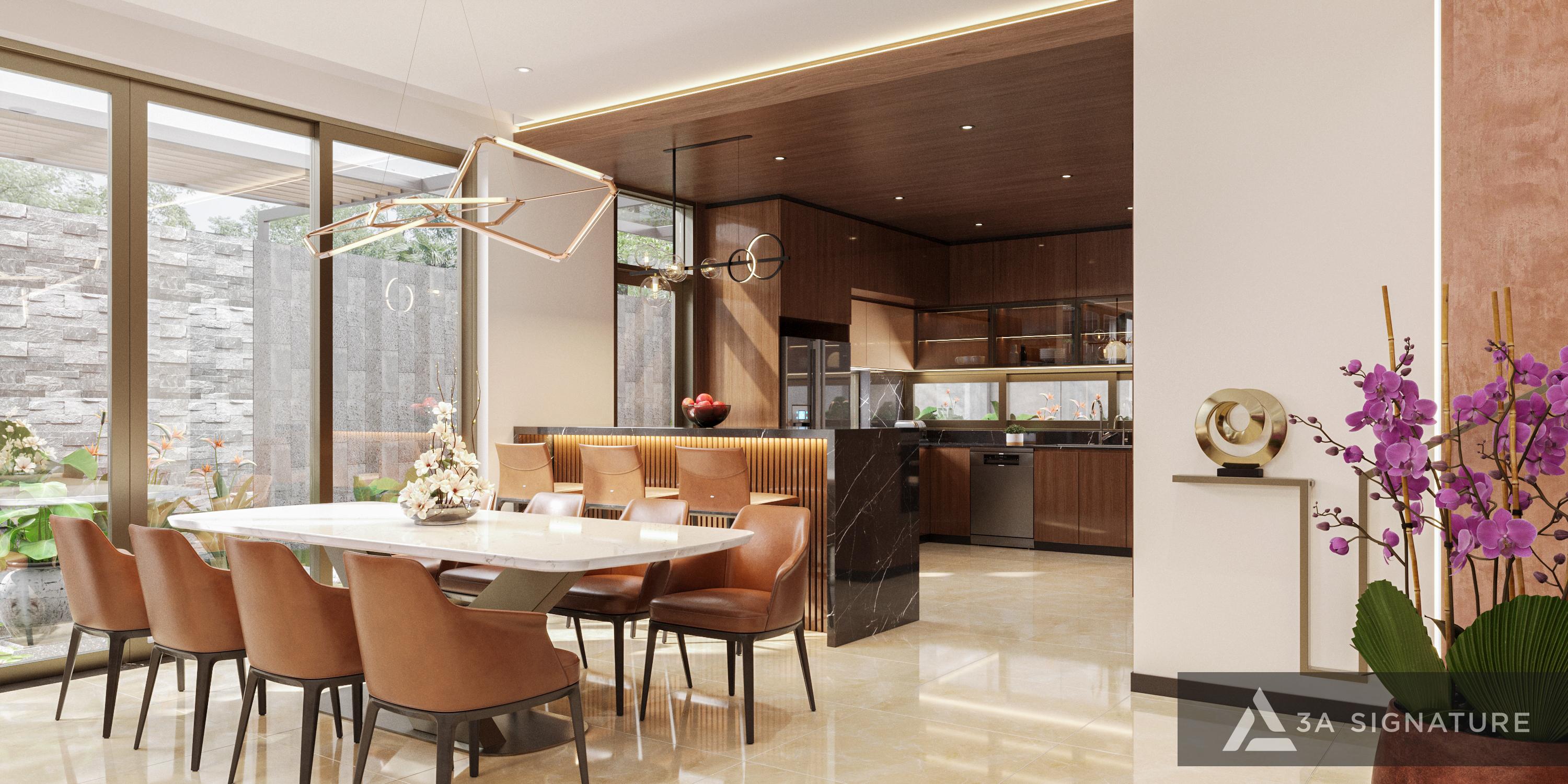
Shapes encompass the structure of a room and the objects within it. In interior design, shapes can be geometric, man-made, or diverse and regular, derived from nature.
Using objects with similar shapes creates harmony. Conversely, repeating a dominant form, even in the smallest details, is the key to creating consistency and a profound aesthetic impression in a space.
4. Materials – The Touchpoint of Refinement
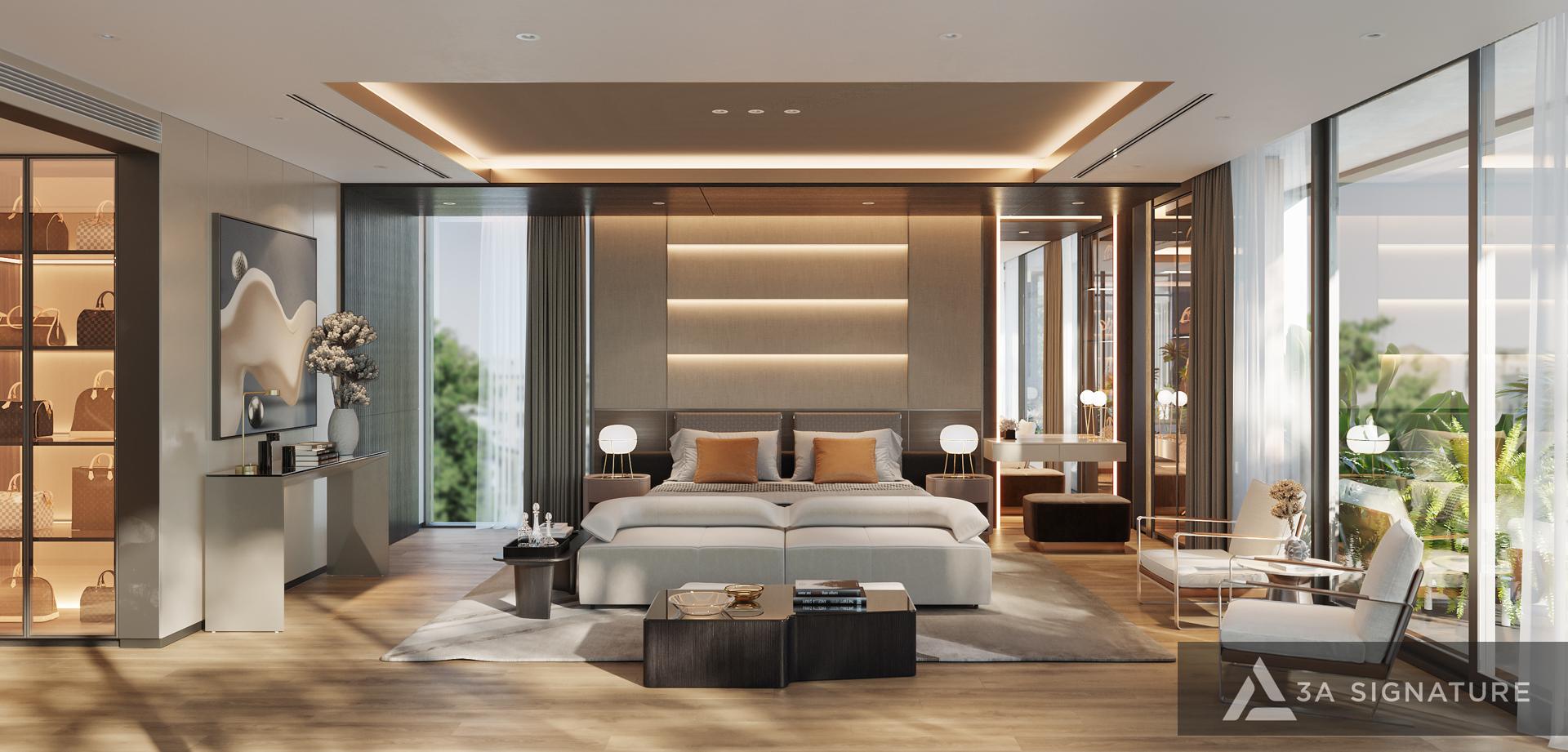
Materials are the element that completely transforms the appearance of a space and need to be perceived through both sight and touch.
- Visual Materials: Patterns on walls or carpets create a certain feeling when viewed.
- Tactile Materials: Sensations such as softness, roughness, or texture are only revealed through direct touch.
Choosing the right materials not only creates unity but also reflects the homeowner’s unique taste.
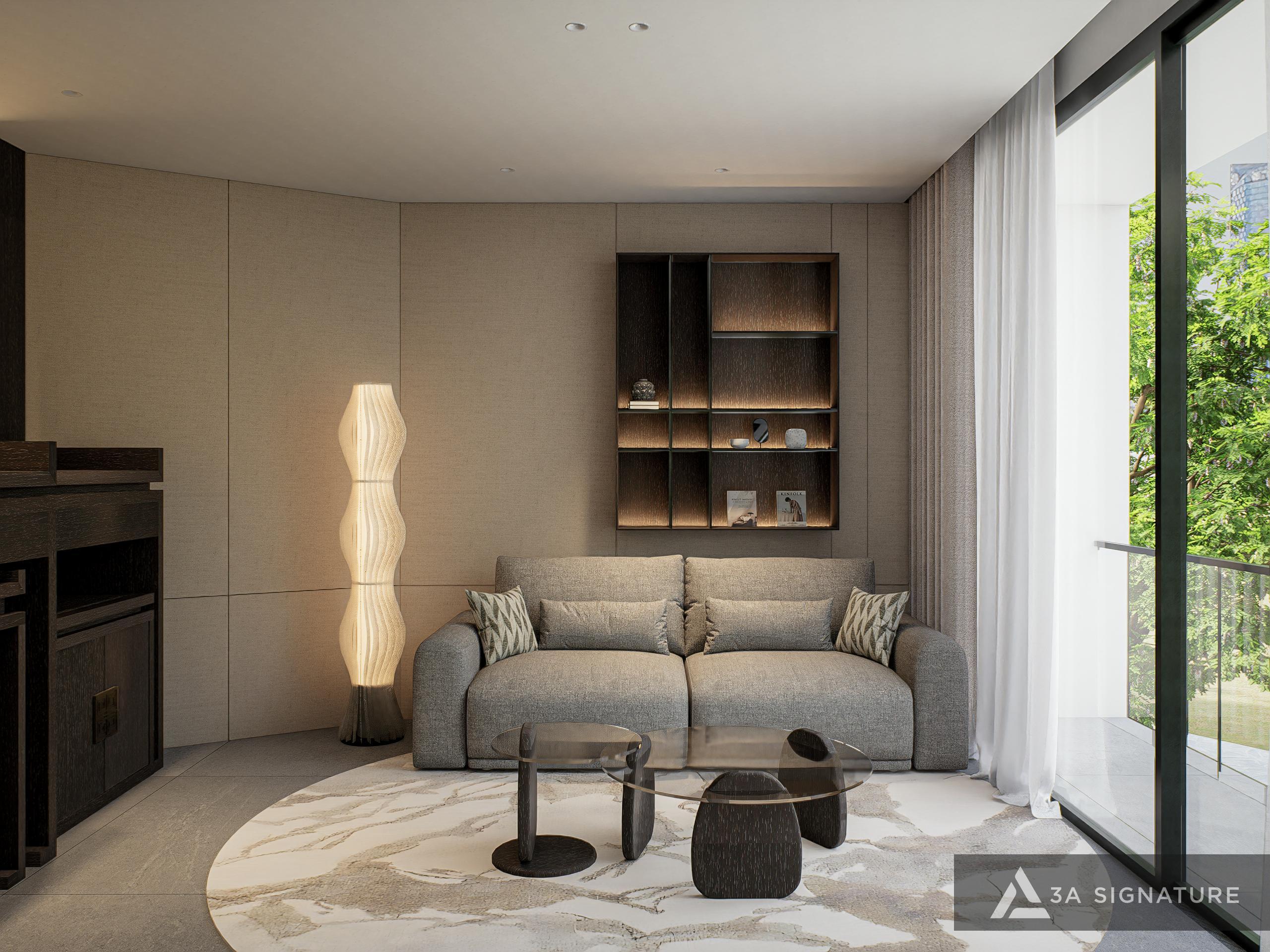
5. The Power of Color in Spatial Psychology
Color greatly influences the atmosphere and emotions of people. Architects always maximize this element to express the homeowner’s personality.
- Blue and Green: Bring a sense of peace, often preferred for bedrooms.
- Red: Stimulates the senses and appetite, very suitable for the kitchen or dining area.
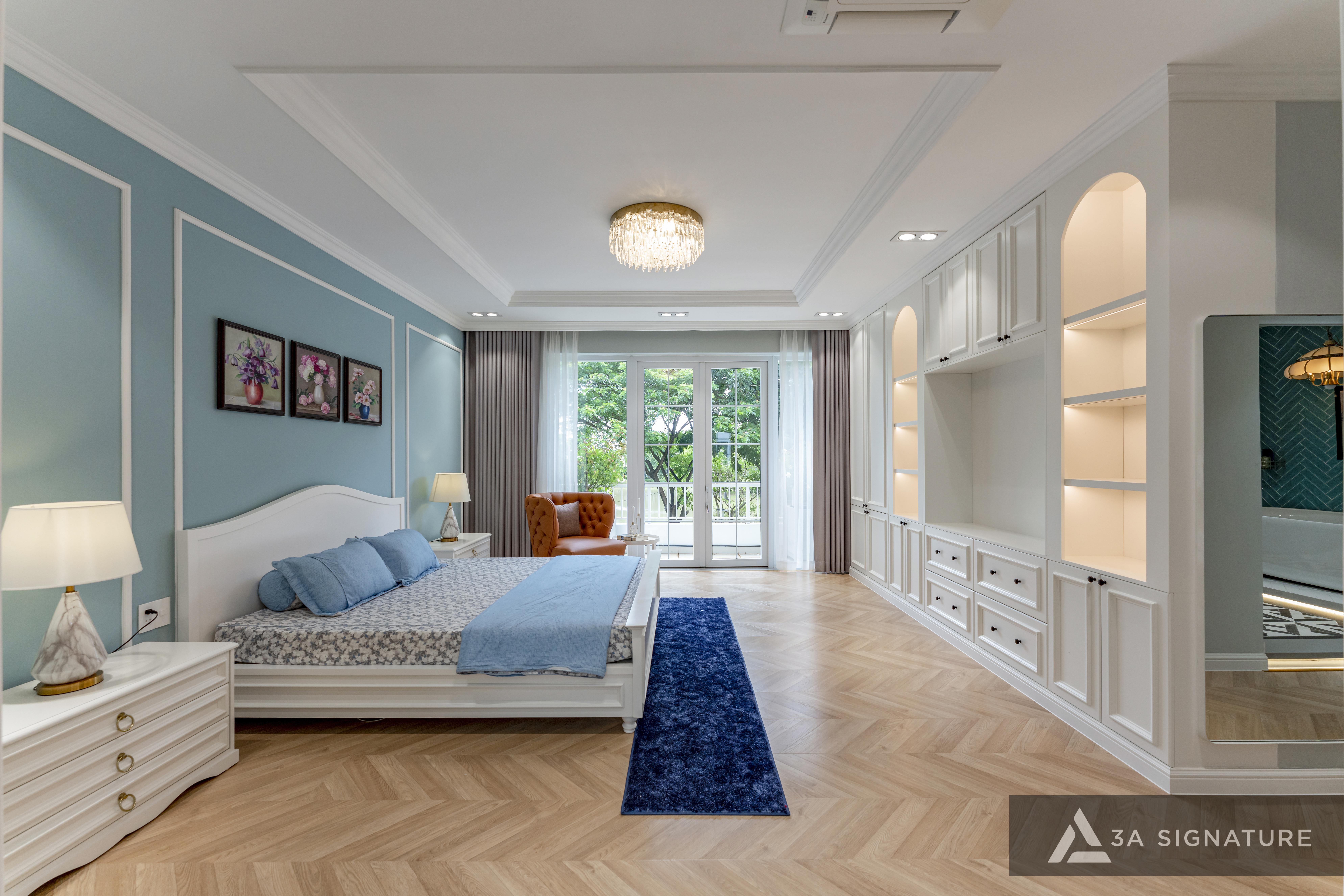
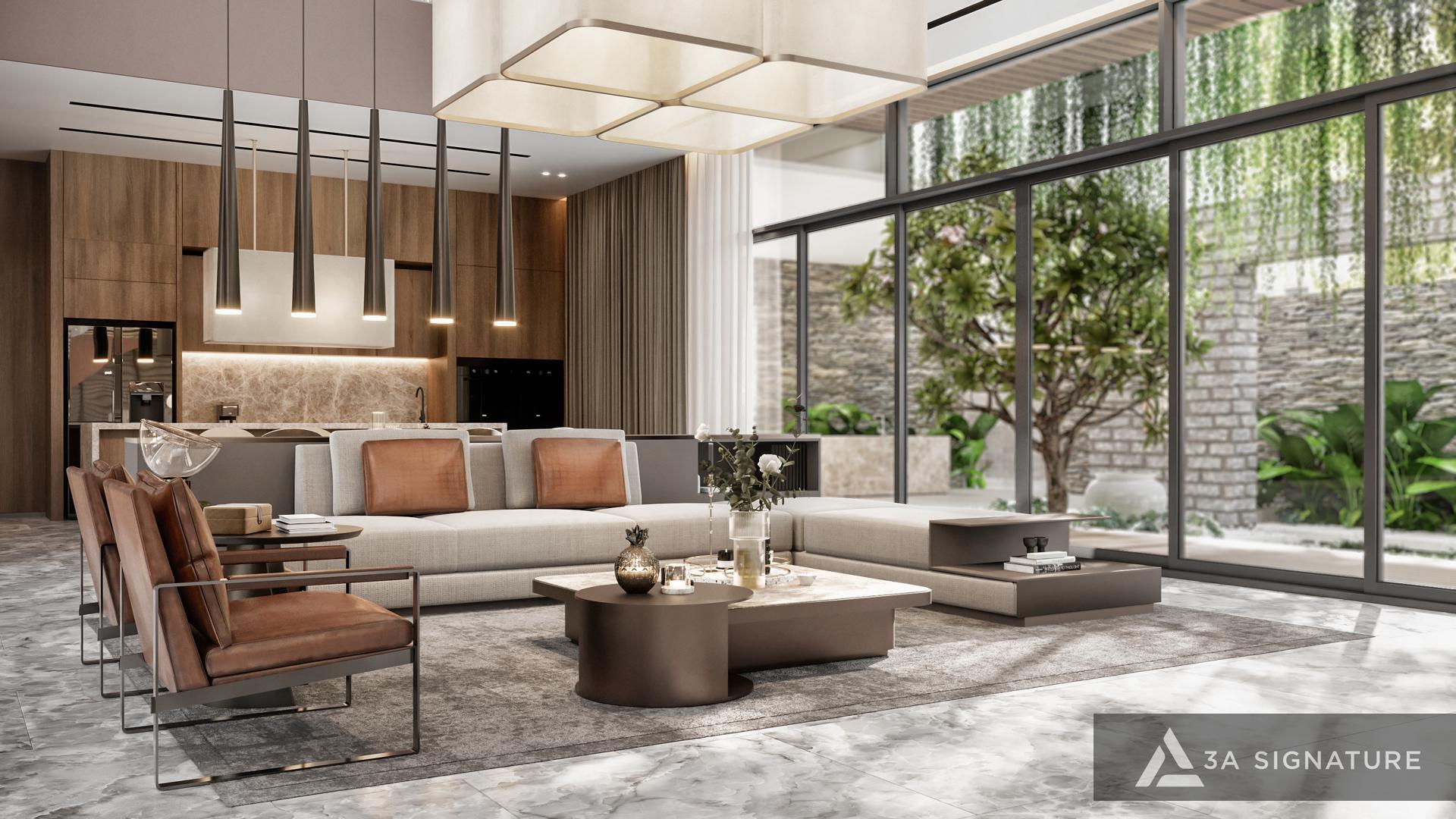
6. Lighting – The Soul of Interior Design
Without light, all aesthetic values in interior design cannot be fully showcased. The lighting system is clearly layered: functional lighting, accent lighting, and lighting that changes according to mood.
The combination of flexible artificial lighting and natural light through glass windows and reflective mirrors not only saves energy but also creates a feeling of closeness to nature.
7. Patterns and Decorative Motifs
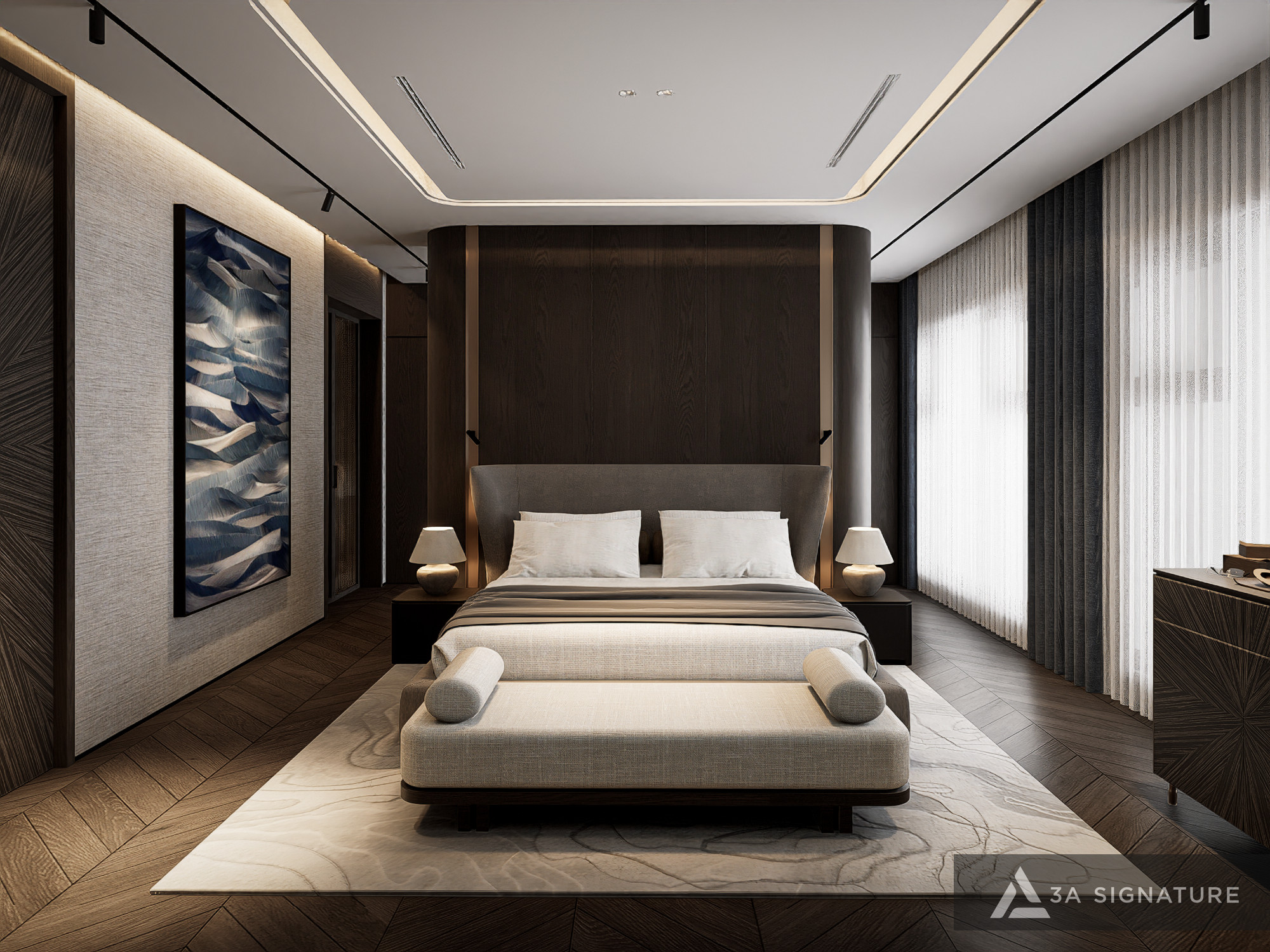
Patterns are repeating patterns that add vibrancy and character to a space. However, the use of patterns should be mindful of the room size: small spaces should prioritize simple patterns to maintain a sense of spaciousness. Geometric patterns are often associated with modern styles, while floral patterns celebrate traditional beauty.
8. Personal Style – A Unique Imprint
A living space is where the homeowner’s identity and story are most clearly reflected. From minimalist style with neutral tones to nostalgic vintage style, each choice leads to completely different interior design and material arrangements.
9. Other Objective Factors
Besides personal preferences, external factors also significantly impact the design process:
Climate and Weather
Local climate directly affects material durability. For example, hot and humid areas require breathable materials like linen and natural wood; while colder regions need heat-retaining materials like wool and felt.
House Size
The size of the house determines the choice of compact, multi-functional furniture or rich, spacious decorative elements.
Feng Shui and Beliefs
Especially in East Asian culture, feng shui plays a crucial role in arranging doorways, the position of the bed, or the workspace to bring good fortune and health to the homeowner.
Conclusion
To achieve a perfect interior design, the designer needs a seamless combination of technical elements and a deep understanding of the homeowner’s needs. Every small detail contributes to the overall success of the living space. At 3A Signature, we not only create beautiful designs but also focus on balancing functionality, aesthetics, and sustainable feng shui principles.